Can Birds Eat Pumpkin: Benefits and Precautions
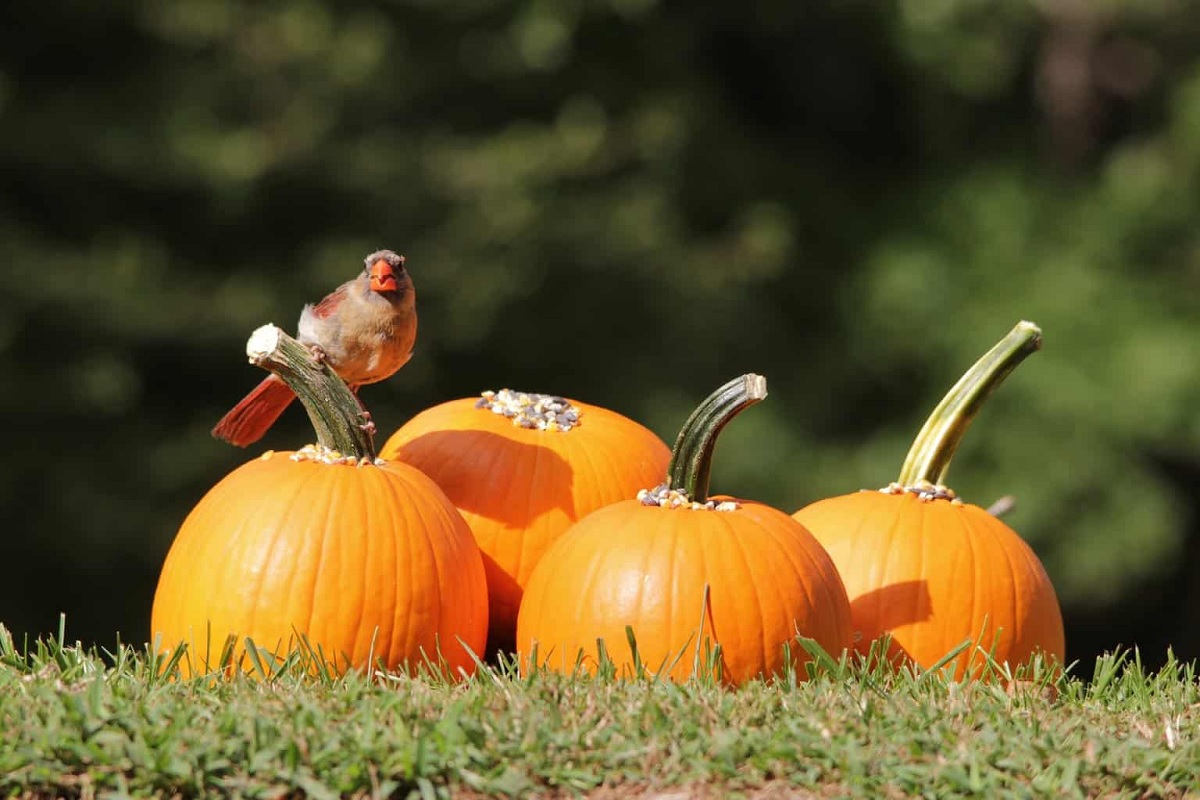
Pumpkin is a versatile and nutritious food commonly enjoyed by humans, but it can also be offered to wildlife, including birds. Understanding can birds eat pumpkin helps you determine how to safely provide this seasonal treat. Rich in vitamins A and C, fiber, and antioxidants, pumpkin can support a bird’s overall health, aid digestion, and contribute to a balanced diet.
Both seeds and flesh can be consumed by many bird species, from small songbirds to larger backyard visitors, although preparation and portion size are important. Offering pumpkin in a safe and appropriate way can attract birds to your garden while providing supplemental nutrition, especially during colder months when natural food sources are limited. Learning about how birds interact with pumpkin can enhance your feeding practices and support local wildlife in a responsible and beneficial manner.
Birds Can Safely Eat Pumpkin
Pumpkin is a safe and nutritious food that many bird species can enjoy. Knowing that birds can safely eat pumpkin allows you to provide this food as part of a varied diet. Both the flesh and seeds contain essential nutrients that support bird health, while the soft texture makes it easy to consume. Offering pumpkin in moderation can supplement their natural diet, attract more birds to your backyard, and provide a healthy treat, especially during colder months when food sources are scarce.
Nutritional Benefits of Pumpkin for Birds
Pumpkin is packed with essential vitamins and minerals that benefit birds. The bright orange flesh is rich in vitamin A, which supports vision, immune function, and overall growth. Vitamin C and other antioxidants help strengthen the immune system, making birds more resilient to seasonal illnesses. Pumpkin is also high in fiber, aiding in digestion and helping birds maintain a healthy weight. Seeds are a good source of protein and healthy fats, providing additional energy for active species. By offering pumpkin, you give birds access to a nutrient-rich food that complements their regular diet and supports their overall well-being.
The fiber in pumpkin promotes gut health, which is essential for nutrient absorption and energy production. Birds that consume pumpkin can enjoy improved digestion, better energy levels, and overall vitality. Seeds are particularly beneficial for larger birds, like cardinals and jays, while smaller birds benefit from the softer flesh. Nutritional balance is key, so pumpkin should be offered alongside other foods like grains, fruits, and insects. This ensures that birds receive a well-rounded diet that meets their energy and growth needs throughout the year.
How Birds Eat Pumpkin Safely
To ensure birds safely eat pumpkin, proper preparation is essential. The flesh should be cleaned, cooked lightly or served raw in small pieces, and free from any added salt, sugar, or spices. Large pieces can be mashed or scooped to allow small birds to feed easily. Seeds can be separated and offered on a feeder or ground, making them accessible for larger birds capable of cracking the shell. By cutting the pumpkin into manageable portions, you reduce the risk of choking and make feeding easier for all species.
Monitoring the feeding area is also important to prevent spoilage and the spread of mold. Fresh pumpkin should be offered in small amounts and replaced regularly to ensure safety. Observing bird behavior while they feed can help you adjust portion sizes and presentation, ensuring that both small and large species can enjoy the pumpkin. Proper preparation and supervision guarantee that birds can safely enjoy pumpkin while receiving its full nutritional benefits.
Seasonal Feeding and Pumpkin
Pumpkin is particularly useful as a supplemental food during fall and winter when natural resources like berries, seeds, and insects are scarce. Offering pumpkin during these seasons provides birds with additional energy and nutrients to maintain warmth, support migration, or sustain daily activity. Its high water content can also help prevent dehydration when natural sources of moisture are limited. Seasonal feeding with pumpkin can attract a variety of species, from sparrows and finches to larger birds like jays and doves.
Rotating pumpkin with other seasonal foods ensures birds maintain a balanced diet. Combining pumpkin with grains, nuts, and fruits enhances dietary variety and encourages natural foraging behavior. Seasonal feeding also allows you to observe bird populations and identify which species are visiting your backyard, fostering a closer connection with local wildlife. By offering pumpkin at the right time and in the right way, you support both the nutritional and ecological needs of birds throughout the colder months.
Observing Bird Behavior With Pumpkin
Offering pumpkin to birds provides a unique opportunity to observe their natural behaviors and feeding habits. Understanding observing bird behavior with pumpkin allows you to see how different species interact with food, share resources, and adapt to a supplemental diet. Watching birds feed on pumpkin reveals their preferences, social hierarchy, and problem-solving skills, while also providing insights into how seasonal foods influence activity levels. This interaction helps deepen your appreciation of bird ecology and encourages responsible backyard feeding practices.
Feeding Techniques and Preferences
Birds demonstrate a variety of feeding techniques when interacting with pumpkin. Small songbirds, like finches and sparrows, often peck at the flesh or sip moisture from softened pieces, while larger birds, such as jays or pigeons, may manipulate seeds or tear apart chunks of pumpkin with their beaks. Some birds show remarkable dexterity, turning pieces around to access the flesh or seeds more efficiently. Observing these techniques reveals differences in anatomy and adaptation, such as beak shape and strength, which directly influence feeding strategies and dietary choices.
Birds may also show preferences for certain parts of the pumpkin. Many are attracted to the seeds first due to their protein and fat content, while others prefer the sweet, nutrient-rich flesh. You can observe how individual species prioritize nutrients and how their feeding order reflects energy requirements, especially during colder months or migration periods. Watching these patterns helps you understand the balance birds maintain between energy intake and effort, illustrating the interplay between nutrition and behavior in natural foraging contexts.
Social Interactions Around Pumpkin
Offering pumpkin often highlights social dynamics among birds. Dominant species or individuals may monopolize the food, while smaller or more timid birds wait for opportunities to feed. You may notice hierarchical behaviors such as chasing, displacement, or sharing, which provide insights into social structures within bird communities. Some species feed in groups, coordinating movements to minimize conflict, while solitary feeders may be more cautious and selective.
Observing these interactions allows you to see how birds communicate and negotiate access to resources. Body language, vocalizations, and movement patterns indicate dominance, submission, or alertness to potential threats. These social behaviors not only impact feeding efficiency but also influence survival strategies, territory defense, and reproductive success. Using pumpkin as a supplemental food source offers a clear window into complex social interactions that might otherwise remain hidden in natural foraging situations.
Seasonal and Environmental Behavior Changes
Birds’ responses to pumpkin can vary depending on season and environmental conditions. During fall and winter, when natural food sources are limited, birds may approach pumpkin more eagerly and show heightened feeding activity. In warmer months, pumpkin may serve as an occasional treat, with birds interacting more casually. Environmental factors such as temperature, presence of predators, or competition for other food sources can influence how birds approach and consume pumpkin.
By monitoring behavior over time, you can identify patterns in feeding frequency, duration, and participation among species. Some birds may become regular visitors, while others only feed opportunistically. Observing these seasonal and environmental changes highlights the adaptability of birds and their capacity to modify foraging strategies in response to available resources. This understanding can guide you in offering pumpkin responsibly while supporting the natural behaviors and needs of local bird populations.
People Also Asked
Can Birds Eat Pumpkin Safely?
Yes, birds can safely eat pumpkin when it is prepared properly. Both the flesh and seeds provide essential nutrients like vitamins A and C, fiber, and protein that support overall health. It’s important to avoid added salt, sugar, or spices. Small pieces or scooped-out pumpkin allow birds of all sizes to feed safely. Providing pumpkin in moderation as part of a balanced diet helps birds maintain energy levels, supports digestion, and offers a seasonal supplement to natural foods, particularly during colder months when resources are limited.
Which Parts of Pumpkin Can Birds Eat?
Birds can eat both the flesh and seeds of pumpkin. The soft flesh is easy to consume and rich in vitamins and fiber, while seeds contain protein and healthy fats for energy. You can offer small chunks of flesh for songbirds or scoop out the inside for larger birds. Seeds may need to be separated from the flesh and presented in a way that allows birds to access them easily. Offering these parts separately or together ensures birds can choose what best meets their nutritional needs.
Are Pumpkin Seeds Good for Birds?
Yes, pumpkin seeds are highly beneficial for birds. They provide protein, essential fatty acids, and minerals that support muscle function, feather health, and overall energy. Birds like cardinals, jays, and pigeons particularly enjoy seeds due to their hardiness and nutrient density. Seeds should be served unsalted and plain to avoid health risks. You can offer seeds whole or lightly crushed to accommodate smaller birds. Including pumpkin seeds as a supplement helps maintain energy levels and supports daily activity, especially during colder seasons or periods of high activity.
Can Birds Eat Cooked Pumpkin?
Birds can eat cooked pumpkin, but it should be prepared without salt, sugar, or spices. Cooking softens the flesh, making it easier to consume for smaller or weaker birds. You can steam, bake, or boil pumpkin lightly, then cut it into small, manageable pieces. Cooked pumpkin retains most of its nutritional benefits, including vitamins, fiber, and antioxidants. Offering cooked pumpkin is especially helpful for attracting birds that may struggle with hard or raw food, ensuring they receive supplemental nutrition safely and conveniently.
How Often Can Birds Eat Pumpkin?
Birds can eat pumpkin a few times a week as a supplement to their natural diet. Pumpkin should not replace regular foods like seeds, grains, fruits, or insects but serves as an occasional treat. Offering small amounts prevents overfeeding and ensures birds maintain a balanced diet. Observing bird behavior can help you adjust the frequency and portion size, as some species may prefer seeds while others enjoy the flesh. Regular, moderate feeding ensures pumpkin remains a beneficial addition to their diet without causing digestive issues or dependency.
What Types of Birds Enjoy Pumpkin Most?
Many bird species enjoy pumpkin, including songbirds like finches and sparrows, larger backyard birds such as jays and doves, and even some waterfowl. Seed-eating birds often prefer pumpkin seeds, while fruit- and flesh-eating birds are drawn to the soft pumpkin flesh. Observing which species visit your feeding area can help you tailor preparation and portion size. Pumpkin serves as a versatile supplement that attracts a variety of species, providing both nutrition and entertainment as you watch them interact with this seasonal treat.
Final Thoughts
Pumpkin can be a nutritious addition to a bird’s diet when offered safely and in moderation. Understanding can birds eat pumpkin helps bird owners and enthusiasts provide healthy, vitamin-rich food that supports hydration, digestion, and overall well-being. Many pet and wild birds enjoy the soft flesh, while seeds offer extra nutrients, but care must be taken to avoid overfeeding or offering seasoned, cooked, or spoiled pumpkin.
Observing can birds eat pumpkin also reveals their preferences and behaviors, allowing you to introduce it in a way that encourages natural foraging and enrichment. Incorporating pumpkin thoughtfully can contribute to a balanced diet, especially during fall when it is widely available. By knowing which species can safely consume pumpkin and how to present it properly, bird lovers can enhance both nutrition and mental stimulation for their feathered companions, supporting healthier, happier birds in the long term.