What Bird Is Woodstock: Character Analysis and Species Explanation
Woodstock is one of the most recognizable characters in the Peanuts universe, known for his quirky personality and close friendship with Snoopy. Despite his tiny size and distinctive appearance, many fans often wonder about his exact species. Exploring what bird is Woodstock reveals interesting insights into his character design and the creative choices made by Charles Schulz. While he does not correspond to a real-life bird, his characteristics draw inspiration from small, cheerful birds, emphasizing his playful and loyal nature.
Understanding Woodstock’s avian identity allows you to appreciate his role in the Peanuts gang, his interactions with other characters, and how his bird-like traits contribute to the humor and charm of the comics. Analyzing Woodstock also highlights the imaginative world of Peanuts, where even tiny, whimsical birds can leave a lasting impact on readers of all ages.
Physical Appearance of Woodstock
Woodstock’s physical appearance is instantly recognizable and contributes greatly to his charm. He is a small, yellow bird with a round body, short wings, and a tuft of feathers atop his head. Despite his simplistic design, his appearance conveys personality, emotion, and energy. His tiny size, expressive gestures, and distinctive chirps make him endearing to fans of all ages. Examining Woodstock’s physical traits allows you to appreciate how Charles Schulz used minimalistic design to create a memorable and iconic character.
Size and Body Structure
Woodstock is notably small, often portrayed as only slightly larger than a sparrow and considerably smaller than Snoopy. His petite size makes him appear fragile but also emphasizes his agility and charm. The roundness of his body conveys softness and friendliness, inviting empathy from the audience. His short, stubby wings complement his tiny frame and are often depicted in expressive positions that convey emotion or action.
Despite his small size, Woodstock’s body structure is functional and versatile. He can perch on Snoopy’s doghouse, fly short distances, and engage in animated interactions without appearing awkward. The simplicity of his design, including the lack of detailed feathers or complex anatomy, allows readers to focus on his gestures and expressions. This minimalistic approach makes him highly adaptable for comic strips and animated appearances while retaining his iconic silhouette. Understanding Woodstock’s size and body structure highlights how small, simple design choices can create a character that is both visually appealing and emotionally expressive.
Color and Feather Details
Woodstock’s bright yellow color is one of his most defining features. The cheerful hue reflects his playful, optimistic personality and makes him visually stand out in comic panels. While his feathers are not intricately detailed, their slight tufts, especially the spiky crest on his head, suggest movement and energy, enhancing the sense of liveliness in his character.
The lack of complex feather patterns allows Woodstock to remain visually simple yet memorable. His color and subtle feather details contribute to his charm and help convey emotion through posture and gestures. Whether he is excited, worried, or interacting with Snoopy, the visual cues provided by his simple design effectively communicate mood and personality. This use of minimalistic color and feather details showcases how Charles Schulz created a visually striking character using only essential elements.
Facial Features and Expressions
Woodstock’s facial features are minimalistic but expressive. His beak, often depicted as a small triangular shape, serves as a primary tool for communication, from chirps to expressions of surprise or curiosity. His eyes are simple dots or small lines, yet they convey a wide range of emotions, including happiness, frustration, and mischief.
His facial expressions, combined with head movements and body posture, allow Woodstock to communicate effectively without words. The simplicity of his facial features enhances his versatility, enabling readers to project emotions onto him while still understanding his reactions. Observing Woodstock’s facial expressions shows how minimal design can achieve maximum expressive impact, making him an enduring and lovable character across comic strips, television specials, and films.
Unique Silhouette and Recognition
Woodstock’s silhouette is instantly recognizable due to his tufted crest, rounded body, and small wings. Even in black-and-white illustrations or distant scenes, his unique shape allows audiences to identify him immediately. This strong visual identity contributes to his status as an iconic Peanuts character, reinforcing the importance of clear, distinctive design in character creation.
His silhouette also complements his personality, suggesting energy, movement, and curiosity. The combination of color, size, and shape ensures that Woodstock remains visually distinct from other Peanuts characters. Studying his unique silhouette highlights the effectiveness of Charles Schulz’s design choices in creating a character that is both simple and highly memorable.
Woodstock’s Personality Traits
Woodstock is more than just Snoopy’s tiny companion; his personality traits make him a memorable and beloved character. Despite being small and unable to speak in words, Woodstock communicates effectively through chirps, body language, and gestures, showcasing intelligence and creativity. His loyalty, humor, and occasional clumsiness endear him to fans, while his courage and resourcefulness reveal surprising depth. Examining Woodstock’s personality traits allows you to appreciate the careful character development by Charles Schulz and understand why this little bird has become such an iconic figure in the Peanuts universe.
Loyalty and Friendship
One of Woodstock’s most defining traits is his unwavering loyalty to Snoopy. He is always by Snoopy’s side, whether embarking on imaginative adventures or simply enjoying quiet moments together. Woodstock demonstrates a deep sense of friendship, often supporting Snoopy in ways that go beyond physical presence. Despite his small size, he faces challenges with determination to stay connected to his friend, exemplifying loyalty in both humorous and heartfelt ways.
Woodstock’s loyalty also extends to the Peanuts gang. He is willing to help in problem-solving or lend emotional support, even if he cannot communicate through words. His chirps and gestures are consistently understood by Snoopy, highlighting the strong bond between them. This loyalty and close friendship make Woodstock a character that resonates with audiences of all ages, showing that true friendship transcends size, species, and conventional communication. By observing Woodstock, you can see how devotion and companionship form the foundation of his character, making him one of the most cherished figures in the Peanuts universe.
Humor and Playfulness
Woodstock is also known for his sense of humor and playful antics. His small stature and expressive movements often result in comical situations, providing levity and entertainment. Whether attempting daring feats, getting tangled in unusual situations, or interacting with Snoopy’s imaginative ideas, Woodstock’s playful nature adds a lighthearted element to the Peanuts comics.
His humor is often visual or situational, relying on body language, chirps, and reactions to events rather than spoken dialogue. This makes him a uniquely expressive character, capable of conveying complex emotions and comedic timing through movement and sound alone. His playful antics also reflect a sense of curiosity and adventurous spirit, showing that even the smallest characters can have a bold and entertaining presence. Observing Woodstock’s humor and playfulness allows you to appreciate the creativity behind his character design and the joy he brings to readers through both subtle and exaggerated actions.
Courage and Resourcefulness
Despite his tiny size, Woodstock exhibits remarkable courage and resourcefulness. He frequently confronts challenges that seem far larger than himself, whether navigating Snoopy’s doghouse, dealing with natural obstacles, or assisting in imaginative adventures. This courage demonstrates determination and resilience, traits that endear him to readers and illustrate that bravery is not determined by size or strength.
Woodstock’s resourcefulness complements his courage. He often finds creative solutions to problems, using ingenuity and quick thinking to overcome obstacles. From building small structures to improvising tools, Woodstock displays intelligence and adaptability. These traits make him an active participant in the Peanuts universe rather than a passive companion, highlighting his individuality and importance. Studying Woodstock’s courage and resourcefulness shows how a small character can embody strength, intelligence, and determination, inspiring audiences while reinforcing his charm and significance in the comic series.
Expressiveness and Communication
Another defining trait of Woodstock is his ability to communicate effectively despite not speaking conventional language. Through chirps, gestures, and expressive movements, Woodstock conveys a wide range of emotions, from excitement and frustration to affection and curiosity. This nonverbal communication demonstrates creativity in character design and storytelling.
Snoopy’s understanding of Woodstock’s chirps highlights their close bond and intuitive connection. Readers can often interpret Woodstock’s emotions and intentions through his expressive body language, making him relatable and engaging. His communication style also emphasizes that meaningful interactions do not always require words, reflecting themes of empathy, connection, and understanding. Analyzing Woodstock’s expressiveness allows you to see the depth of his character and the clever ways Charles Schulz conveys personality through visual and nonverbal storytelling.
Woodstock in Peanuts Media Adaptations
Woodstock has appeared in a variety of Peanuts media adaptations, from classic comic strips to animated television specials and feature films. His character remains consistently recognizable across these adaptations, maintaining his small size, yellow color, and expressive personality. Exploring Woodstock in Peanuts media adaptations allows you to see how animators and filmmakers have preserved his charm while creatively interpreting his interactions, movements, and role within the Peanuts universe. His enduring presence highlights his importance as a beloved companion to Snoopy and an iconic character in popular culture.
Television Specials
Woodstock made his first major television appearances in Peanuts animated specials, starting with shows like A Charlie Brown Christmas and It’s the Great Pumpkin, Charlie Brown. In these specials, his personality traits—loyalty, humor, and playfulness—are brought to life through expressive animation and distinctive chirping sounds. Animators emphasized his small stature and quirky movements, allowing viewers to instantly recognize him despite his lack of spoken dialogue. His interactions with Snoopy, such as flying around the doghouse or assisting in imaginative adventures, provide both humor and warmth.
In television adaptations, Woodstock’s role often serves to complement Snoopy, offering a sidekick dynamic that enriches storytelling. His chirps, head tilts, and exaggerated movements convey emotion effectively, demonstrating the skill of animators in translating comic strip simplicity into engaging visual performances. These specials helped establish Woodstock’s presence beyond the printed page, making him an iconic character for generations of viewers. Through careful animation, his personality and physical quirks are enhanced, showcasing how media adaptations can maintain the essence of a character while expanding their expressive potential.
Feature Films
In Peanuts feature films such as The Peanuts Movie (2015), Woodstock’s character received updated animation while staying true to his original design. Advanced computer-generated animation allowed for more dynamic movement, giving Woodstock the ability to express a broader range of emotions through flight patterns, gestures, and interactions with other characters. Despite these enhancements, the filmmakers preserved the simplicity and charm that made him beloved in the comic strips and television specials.
Feature films also explore Woodstock’s personality in more depth, showcasing his loyalty, courage, and resourcefulness in longer narratives. He often participates in elaborate sequences with Snoopy, from imaginative battles to playful adventures, highlighting his role as a true companion rather than a background character. His interactions are designed to be visually engaging, with attention to timing, body language, and exaggerated expressions that make his silent communication relatable to audiences of all ages. The feature films illustrate how Woodstock can evolve with modern animation technology while maintaining the timeless qualities that have made him an enduring figure in Peanuts media.
Video Games and Digital Media
Woodstock has also appeared in Peanuts video games and digital media platforms, where his design and personality are adapted for interactive experiences. Players often encounter him assisting Snoopy, completing tasks, or providing comic relief. In these digital adaptations, his size, distinctive yellow color, and expressive gestures remain central to his identity, ensuring immediate recognition.
Video games and online media allow for creative exploration of Woodstock’s abilities, including animated flight sequences, obstacle navigation, and humorous interactions with other characters. These formats emphasize engagement and interactivity while retaining his core traits of loyalty, humor, and playfulness. By participating in digital adaptations, Woodstock reaches new audiences and generations, demonstrating his adaptability across different media. Observing his portrayal in video games and online content highlights how his character continues to resonate, reinforcing his status as an iconic and versatile member of the Peanuts universe.
FAQs
What Bird Is Woodstock In Peanuts?
Woodstock is a small, yellow bird in the Peanuts universe, but he is not based on a specific real-life species. Charles Schulz designed him to be a whimsical and charming companion to Snoopy rather than a scientifically accurate bird. His round body, tuft of feathers, and tiny wings give him a unique and instantly recognizable appearance. Understanding what bird is Woodstock highlights how creative design can make a fictional character memorable, even without a direct connection to an actual bird species, emphasizing his role as a beloved comic and animation character.
Why Is Woodstock So Small Compared To Other Peanuts Characters?
Woodstock’s small size serves both visual and narrative purposes. Being tiny compared to Snoopy emphasizes his delicate nature and enhances the humor in their interactions. His small stature allows him to perch on Snoopy’s doghouse, fly through tight spaces, and participate in playful antics that wouldn’t work for larger characters. Despite his size, Woodstock demonstrates courage, intelligence, and resourcefulness. His miniature design reinforces his charm and personality, making him an endearing figure while also highlighting the creative freedom Charles Schulz used in designing a bird character that complements the larger-than-life Snoopy.
Can Woodstock Fly?
Yes, Woodstock can fly, and his flight is an essential part of his character. He often zips around Snoopy, performing loops, dives, and other playful maneuvers. His flight is not just functional but expressive, conveying emotions like excitement, surprise, or frustration. Though small and seemingly fragile, Woodstock’s ability to fly emphasizes his agility and resourcefulness. Observing his flight patterns helps you understand his personality traits, such as playfulness, determination, and loyalty. Even without spoken words, Woodstock’s flying gestures communicate his thoughts and reactions effectively to both Snoopy and the audience.
Does Woodstock Represent Any Real-Life Bird?
While Woodstock resembles small, cheerful birds in appearance, he is not meant to represent any specific real-life species. Charles Schulz created him as a whimsical character for storytelling purposes, focusing on traits like loyalty, humor, and expressiveness rather than ornithological accuracy. His yellow color, tufted feathers, and simple design make him unique and recognizable within the Peanuts universe. Understanding that Woodstock is fictional allows you to appreciate the creativity behind his design, showing how imaginative characters can resonate deeply with audiences without adhering to real-world animal classifications.
How Does Woodstock Communicate Without Words?
Woodstock communicates through a series of chirps, gestures, and expressive body movements. Although he does not speak conventional language, Snoopy and other characters can understand him perfectly, highlighting their strong bond. His head tilts, wing flaps, and flight patterns convey a wide range of emotions, including excitement, frustration, curiosity, and affection. This nonverbal communication allows you to see how a tiny, wordless character can have a complex personality, be relatable, and drive narrative humor. Woodstock’s expressive style demonstrates the power of visual storytelling in comics and animation.
Why Is Woodstock Important To Snoopy And Peanuts Fans?
Woodstock is more than a sidekick; he represents friendship, loyalty, and charm. His relationship with Snoopy provides emotional depth, humor, and companionship within the Peanuts universe. Fans appreciate Woodstock for his endearing personality, expressive gestures, and playful antics. Understanding what bird is Woodstock helps you see why he remains iconic despite his small size and lack of dialogue. He embodies the creativity and warmth that define Peanuts, reminding audiences of the enduring appeal of imaginative, well-crafted characters in comics and animation.
Conclusion
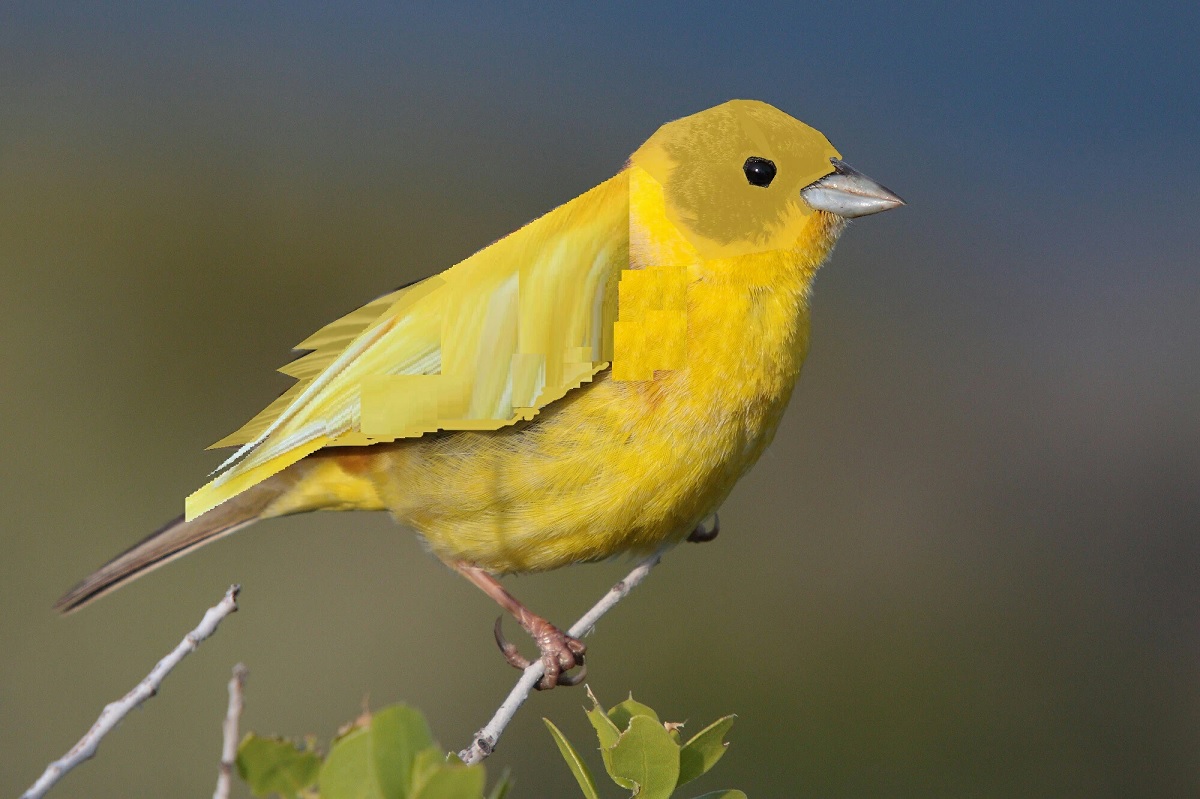
Woodstock remains one of the most charming and recognizable characters in the Peanuts universe, known for his small size, bright color, and playful personality. His interactions with Snoopy and expressive gestures bring humor and warmth to the series, making him a beloved companion to fans of all ages. Understanding what bird is Woodstock helps shed light on the inspiration behind his design, often compared to small songbirds such as canaries, while also appreciating the creative liberties taken to enhance his animated appeal.
Despite his non-verbal communication through chirps and gestures, Woodstock’s character conveys loyalty, humor, and emotion in ways that resonate with audiences. Knowing his species connection not only deepens appreciation for his character but also highlights the thoughtful detail in Charles Schulz’s creation. Woodstock exemplifies how a tiny bird can leave a lasting impact on storytelling and pop culture.