What Do Toucan Birds Eat: Complete Feeding Guide
Understanding the feeding habits of toucans helps you appreciate how these colorful birds survive in the wild, and that’s why exploring what do toucan birds eat becomes so important. These birds are known for their oversized bills, which help them reach food that many other species can’t access. In their natural rainforest homes, toucans rely on a variety of foods that keep them healthy, energetic, and active throughout the day.
Their diet is shaped by what is available in the dense forest canopy, making them adaptable and resourceful eaters. By learning about their food choices, you also gain insight into how they contribute to seed dispersal and overall forest health. Whether observing their eating behavior in the wild or studying them for personal interest, understanding their diet reveals just how uniquely designed they are for life in tropical environments.
Toucan Feeding Behavior
Toucan feeding behavior showcases how skillfully these birds use their oversized bills to access food deep within the rainforest canopy. They move slowly and deliberately, selecting ripe fruits, insects, and small prey with precision. Their flexible feeding style helps them adapt to seasonal changes in food availability. Toucans also rely on teamwork, often feeding in small groups where they alert each other to nearby dangers. This behavior allows them to thrive in environments where resources constantly shift.
How Toucans Use Their Bill While Eating
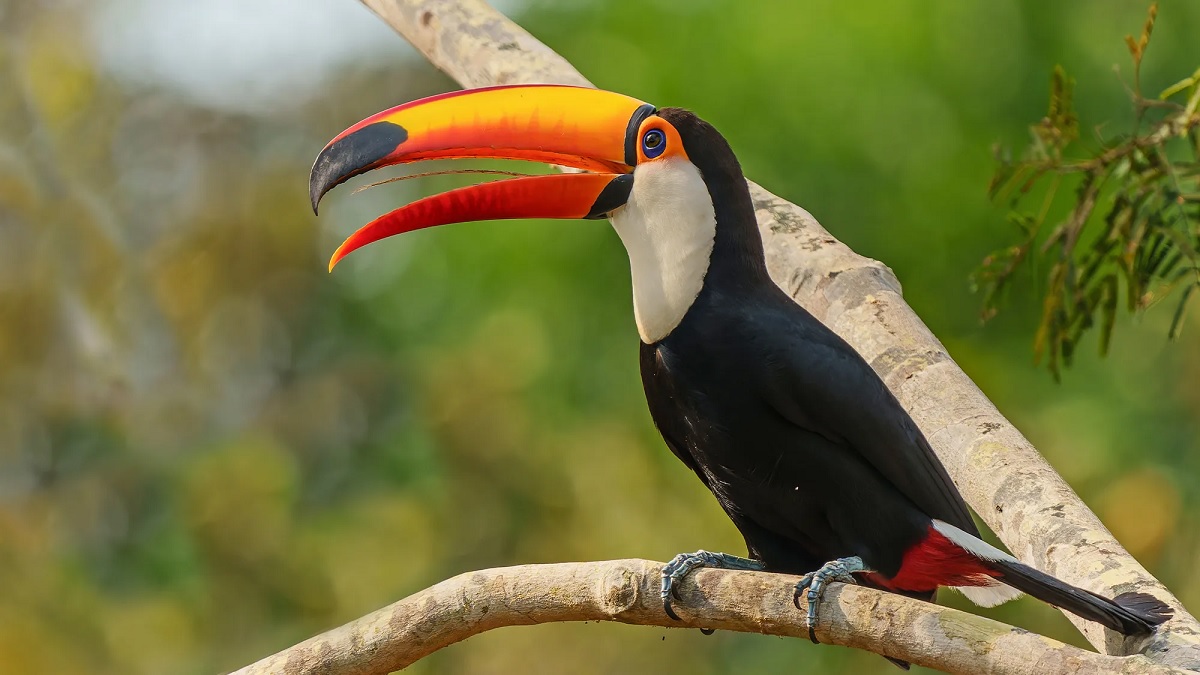
The toucan’s bill may look heavy, but it is incredibly lightweight and perfectly designed for feeding. While searching for food, a toucan stretches its bill to pluck fruits from hard-to-reach branches, avoiding the need to move its entire body. This reduces energy use and helps them stay safe from predators lurking below.
The serrated edges of their bill allow them to grip fruit tightly, and they often toss food upward to swallow it whole. This feeding technique also prevents competition, as they can access resources that other birds cannot. By using their bill with such precision, toucans maintain a diverse diet and enhance their chances of survival in dense tropical forests.
Social Behavior During Feeding
Toucans are naturally social birds, and this becomes especially clear during feeding sessions. Instead of foraging alone, they typically move in small groups, helping each other locate food sources. This social feeding reduces competition because toucans generally share fruiting trees, hopping from branch to branch without pushing others away.
Their loud calls, often heard across the forest, help maintain group cohesion while communicating excitement when an abundant food source is found. This coordinated behavior not only keeps them safe but also improves access to better feeding areas. By staying close to each other, they reduce the risk of predators and increase their chances of finding fresh fruit. Their social nature strengthens group bonds and makes feeding time an important part of their daily routine.
Adaptation to Seasonal Food Changes
Rainforest environments change with the seasons, and toucans must adjust their feeding habits accordingly. When fruit becomes scarce, they expand their diet to include insects, small lizards, and even eggs from other birds’ nests. This flexibility protects them from food shortages and ensures they always have a reliable energy source.
Their ability to switch diets quickly makes them one of the most adaptable birds in the canopy. During periods of abundance, toucans take advantage of fruit-heavy trees, often storing excess energy for leaner times. This seasonal adaptation also affects their movement patterns, guiding them toward areas where food remains available. Because of this resourcefulness, toucans successfully navigate environmental changes that many species struggle to handle.
ChatGPT said:
Primary Foods Toucan Birds Eat
The primary foods toucan birds eat reveal how well these colorful birds adapt to the dynamic conditions of the rainforest. Their diet is mostly fruit-based because fruits provide hydration, natural sugars, and essential nutrients for energy. However, toucans also turn to insects, small animals, and even eggs when additional protein or fat is needed. This flexible approach helps them survive seasonal changes, shifting food availability, and competition from other wildlife. By understanding what they prefer to eat, you can see how toucans contribute to forest regeneration through seed dispersal and maintain a balanced role within tropical ecosystems.
Fruits That Make Up Most of Their Diet
Fruit forms the core of a toucan’s daily meals, and these birds spend much of their time traveling between branches in search of ripe, soft options. They often target figs, berries, guavas, and papayas because these fruits can be swallowed easily after being tossed upward with their bill. Their lightweight, elongated bill helps them pluck fruit from thin branches that cannot hold their full body weight.
Toucans also rely on high-water-content fruits to stay hydrated in hot, humid environments. Since fruit availability changes with the seasons, they frequently explore new areas to locate trees with abundant supplies. This constant movement naturally spreads seeds throughout the forest, allowing new plants to grow and helping maintain rainforest biodiversity. Their fruit-focused feeding habits make them essential contributors to the ecological balance of their habitat.
Insects and Small Animals for Extra Protein
Even though fruit dominates their diet, toucans depend on insects whenever they need extra protein. They catch beetles, ants, termites, and grasshoppers with quick, precise movements, using the serrated edges of their bill to secure fast-moving prey. These protein-rich foods are especially important when raising chicks, as young toucans need additional nutrients for growth and feather development.
During times when fruit is scarce, toucans shift their attention to small reptiles such as lizards or tree frogs. Their strong reflexes help them capture these animals and swallow them whole with their signature toss-and-catch feeding technique. This flexibility gives toucans a survival advantage, allowing them to maintain strength and energy despite seasonal changes. Switching between plant and animal foods ensures they meet their nutritional needs all year long.
Eggs and Nestlings as Opportunistic Food Sources
Toucans may raid nests for eggs or tiny nestlings when other food sources become limited. Their long, curved bill lets them reach deep into tree holes or cavities without putting themselves at risk. These opportunistic meals provide valuable fats and proteins, which become especially useful during breeding seasons or periods of low fruit production.
This feeding habit also demonstrates the toucan’s adaptability and problem-solving skills. They often inspect several nest sites before choosing one with accessible food inside. Although parent birds may try to defend their nests, toucans are agile enough to escape quickly when threatened. While nest raiding may seem harsh, it is a natural part of rainforest food dynamics and helps toucans maintain balanced nutrition in challenging environments.
Additional Foods in a Toucan’s Diet
Additional foods in a toucan’s diet show how adaptable these birds are when their main food sources become limited. While fruit remains their priority, they often explore other options to maintain balanced nutrition. These extra foods include seeds, flowers, nectar, and various plant materials found throughout the rainforest. Their ability to shift between different food types helps them stay healthy during seasonal changes. By understanding these added dietary choices, you can better appreciate how toucans survive in diverse and unpredictable environments.
Seeds and Plant Materials
Seeds and plant materials serve as important supplemental foods for toucans, especially when fruit production declines. Their sharp bill allows them to crack open soft and medium-sized seeds with ease, giving them access to added nutrients. While seeds are not their first choice, toucans use them to fill nutritional gaps when other foods are harder to find. This flexibility helps them maintain steady energy levels during dry seasons or when competition for fruit increases among other canopy animals.
In addition to seeds, toucans occasionally consume leaves, shoots, and tender plant fibers. These materials offer extra minerals and help support digestion. They typically pick softer plant parts, avoiding anything too tough or fibrous. Because these foods are widely available throughout the forest, toucans can rely on them as a backup when conditions change. Their willingness to explore different plant materials demonstrates how well they adjust their diet to match seasonal shifts in the rainforest.
Flowers and Nectar as Seasonal Supplements
Flowers and nectar serve as seasonal supplements in a toucan’s diet, offering natural sugars that provide quick energy. When flowering trees are abundant, toucans often travel between them to sip nectar or consume soft petals. Their long bills allow them to reach inside blooms without damaging the flower, making them efficient nectar feeders when the opportunity arises. This behavior becomes more common during warmer months when many rainforest plants burst into bloom.
Beyond energy, flowers supply small amounts of vitamins that support overall health. Toucans may also consume flower buds, which are softer and easier to digest than mature leaves. These seasonal foods play a valuable role when fruit is less available, helping toucans stay active and nourished. Their attraction to brightly colored flowers also brings them into contact with pollinating insects, giving them additional chances to feed on protein-rich prey. This seasonal feeding pattern highlights their versatility and strong ability to adapt to changing food landscapes.
Nutritional Value of Their Diet
The nutritional value of their diet plays a key role in supporting a toucan’s energetic lifestyle and vibrant health. Their food choices provide essential vitamins, minerals, hydration, and protein that help them thrive in dense rainforest environments. Fruit supplies natural sugars for energy, while insects and small prey contribute important proteins and fats. Additional plant materials, seeds, and nectar help fill dietary gaps during seasonal changes. Together, these foods create a balanced diet that keeps toucans active, alert, and well-equipped to survive in their tropical habitats.
Vitamins and Hydration from Fruits
Fruits provide the majority of the vitamins and hydration that toucans rely on every day. Their preferred soft fruits contain high levels of vitamin C, natural sugars, and antioxidants that strengthen their immunity and support daily energy needs. Because many rainforest fruits contain large amounts of water, toucans stay hydrated without needing constant access to streams or ponds. This is especially valuable in the canopy, where water sources are limited. Fruits also supply fiber, helping maintain digestion and overall health.
The variety of fruits they consume ensures they receive a wide range of nutrients, even when certain types are out of season. This consistent intake of moisture-rich, vitamin-packed foods keeps their bodies functioning smoothly. It also supports feather health, eye clarity, and strong metabolic activity. Their ability to locate and choose nutrient-dense fruits allows them to thrive in the ever-changing conditions of the rainforest, making fruit their most valuable nutritional resource.
Protein and Fats from Animal-Based Foods
Animal-based foods give toucans the protein and fats they need to maintain muscle strength, healthy growth, and overall vitality. Insects such as beetles, ants, and termites are powerful protein sources that help repair tissues and support developing chicks. These prey items also contain essential amino acids that fruit alone cannot provide. When they occasionally consume small reptiles or nestlings, toucans gain additional fats that boost energy reserves during demanding seasons.
These nutrient-dense foods become especially important during breeding periods or times when fruit is less available. Protein helps maintain strong beaks, flight muscles, and feathers, while fats supply long-lasting energy needed for extended movement through the canopy. By including both plant and animal foods in their diet, toucans achieve a nutritional balance that supports their active lifestyle. Their willingness to diversify their food intake ensures they never rely too heavily on a single nutrient source, helping them remain resilient in their rainforest environment.
Environmental Factors Influencing Diet
Environmental factors influencing diet play a major role in shaping what toucans eat throughout the year. Their rainforest habitat constantly changes due to shifts in weather, plant cycles, and competition from other animals. These elements determine the availability of fruits, insects, and supplemental foods they rely on. Because toucans must adapt quickly to survive, their feeding patterns change with the environment. Understanding these influences shows how toucans remain flexible, resourceful, and capable of thriving even when food conditions are unpredictable.
Seasonal Changes in Food Availability
Seasonal changes in the rainforest significantly affect what toucans can find to eat. During fruiting seasons, trees produce abundant soft fruits, giving toucans easy access to their preferred foods. They take advantage of these periods by feeding frequently and moving between fruit-rich areas. However, when the dry season arrives and fruit production decreases, they must shift their focus to insects, small animals, and alternative plant materials to maintain proper nutrition.
These shifts highlight the toucan’s ability to adapt its diet quickly based on changing conditions. Seasonal rainfall patterns also influence insect populations, making some months more protein-rich than others. As the environment transitions, toucans adjust their feeding routes, sometimes covering larger areas to locate reliable food sources. This seasonal adaptability is essential for their survival, helping them meet their nutritional needs even when their primary food supply becomes limited or unpredictable.
Competition and Habitat Conditions
Competition from other animals greatly influences the toucan’s daily food choices. Many rainforest species rely on the same fruiting trees, so toucans must move strategically to avoid crowded feeding spots. Their lightweight build and strong hopping ability allow them to reach branches that heavier animals cannot access, giving them an advantage when competition is high. Still, when the best trees are occupied, toucans often turn to insects or seeds to avoid conflict and secure enough resources.
Habitat conditions also shape their feeding behavior. In areas where trees are taller and denser, toucans have more fruit options but must search more widely to find them. In fragmented forests, food sources become scattered, forcing them to travel farther and diversify their diet. Environmental disturbances such as storms, droughts, or habitat loss can temporarily reduce food availability, pushing toucans to rely more on alternative foods. Their resilience and adaptability help them navigate these challenges and continue thriving despite the pressures of competition and habitat changes.
Frequently Asked Questions
What Do Toucan Birds Primarily Eat
Toucans primarily eat fruits, which make up most of their diet. They prefer soft, ripe fruits like figs, papayas, guavas, and berries. These fruits provide essential vitamins, natural sugars, and hydration, helping them stay energetic and healthy throughout the day. You will often see them using their large, lightweight bills to reach fruits on thin branches that cannot support their body weight. While fruit is their main food, they also supplement their diet with insects, small reptiles, eggs, seeds, and nectar to meet protein and fat requirements.
Do Toucans Eat Insects Or Other Animals
Yes, toucans eat insects and small animals to supplement their fruit-based diet. They consume beetles, ants, termites, and grasshoppers, which provide protein for muscle growth and energy. Occasionally, they may eat small lizards, tree frogs, or eggs from other birds’ nests when fruit is scarce. You will notice them using their sharp, serrated bills to capture moving prey efficiently. This animal-based portion of their diet becomes especially important during breeding seasons or when raising chicks, as protein and fat are necessary for proper development and overall health.
How Does Their Diet Change With Seasons
The diet of toucans changes significantly with the seasons due to fruit availability. During peak fruiting seasons, they consume a wide variety of ripe fruits, which supply hydration, energy, and essential nutrients. When fruits become scarce in dry or off-seasons, you will see them shifting to alternative foods such as insects, small reptiles, seeds, and flowers. This adaptability ensures they maintain balanced nutrition throughout the year. Seasonal changes also affect where they forage, often requiring them to travel farther or explore new areas to find sufficient food to support themselves and their offspring.
Do Toucans Eat Eggs Or Nestlings
Toucans sometimes eat eggs or small nestlings as part of their opportunistic feeding behavior. This usually occurs when other food sources like fruits or insects are limited. You may notice them using their long, curved bills to reach eggs or chicks in tree cavities without exposing themselves to danger. These meals provide additional fats and proteins, which are vital during periods of high energy demand, such as breeding or food scarcity. While this may seem unusual, it is a natural behavior that helps them survive and maintain their nutrition in unpredictable rainforest conditions.
What Role Does Fruit Play In Their Nutrition
Fruit plays a central role in a toucan’s nutrition, supplying them with natural sugars for energy, water for hydration, and essential vitamins such as vitamin C. You will see them focusing on soft, ripe fruits that are easy to swallow after tossing them with their bills. Fruits also provide fiber, aiding in digestion, and contribute to feather health and strong metabolism. By consuming a variety of fruits, toucans ensure they receive a broad range of nutrients that support daily activity, immune function, and overall survival in the dense rainforest environment.
Can Toucans Eat Nectar Or Flowers
Yes, toucans sometimes eat nectar or soft flower parts as an additional source of nutrients. Nectar provides natural sugars that give quick energy, while petals and buds supply small amounts of vitamins and minerals. You will notice them using their long bills to reach deep into flowers without harming the plant. This behavior becomes more common when fruits are less abundant or during flowering seasons. Eating nectar and flowers also exposes them to insects, giving them extra protein opportunities. These supplementary foods help toucans maintain a well-rounded diet when their primary foods are limited.
Final Thoughts
Toucan birds have a diverse and specialized diet that supports their active lifestyle and vibrant health. Understanding what do toucan birds eat helps in appreciating their role in tropical ecosystems, especially in seed dispersal and maintaining forest biodiversity. Their diet primarily consists of fruits, which provide essential vitamins, hydration, and energy. Occasionally, they supplement their meals with insects, small animals, or eggs, adding protein to their intake.
The type of food available often depends on seasonal changes and habitat conditions, influencing their foraging behavior and social interactions. In captivity, maintaining a diet similar to their natural feeding habits ensures their overall well-being and longevity. Observing what do toucan birds eat also highlights the importance of conserving their natural habitats, as deforestation and human activities directly impact their food sources. A well-balanced diet is essential for healthy, thriving toucans