Is a Penguin a Bird or Mammal: Key Traits and Differences Explained
Penguins are some of the most fascinating creatures in the animal kingdom, often capturing the curiosity of nature enthusiasts and scientists alike. He or she can notice that their unique appearance and behaviors—such as waddling on land, swimming with remarkable speed, and living in extreme environments—raise questions about their classification.
Understanding whether penguins are birds or mammals involves examining their anatomy, reproductive methods, and physiological traits. He or she can see that while penguins share some characteristics with mammals, such as warm-bloodedness, they also exhibit definitive avian features, including feathers, egg-laying, and a beak without teeth.
Exploring the question of is a penguin a bird or mammal provides insight into the evolutionary adaptations that allow these flightless birds to thrive in harsh climates and aquatic habitats, highlighting the intricate ways in which nature shapes the survival strategies of different species.
Physical Characteristics of Penguins
Penguins are flightless birds with unique physical adaptations that allow them to thrive in aquatic and harsh environmental conditions. He or she can notice that their distinctive black-and-white plumage, streamlined bodies, and flipper-like wings make them exceptional swimmers while conserving energy in cold waters. These physical traits not only support swimming efficiency but also provide camouflage, thermoregulation, and protection from predators. Understanding the physical characteristics of penguins sheds light on how evolutionary adaptations have shaped their survival strategies and behaviors in diverse habitats across the Southern Hemisphere.
Body Shape and Size
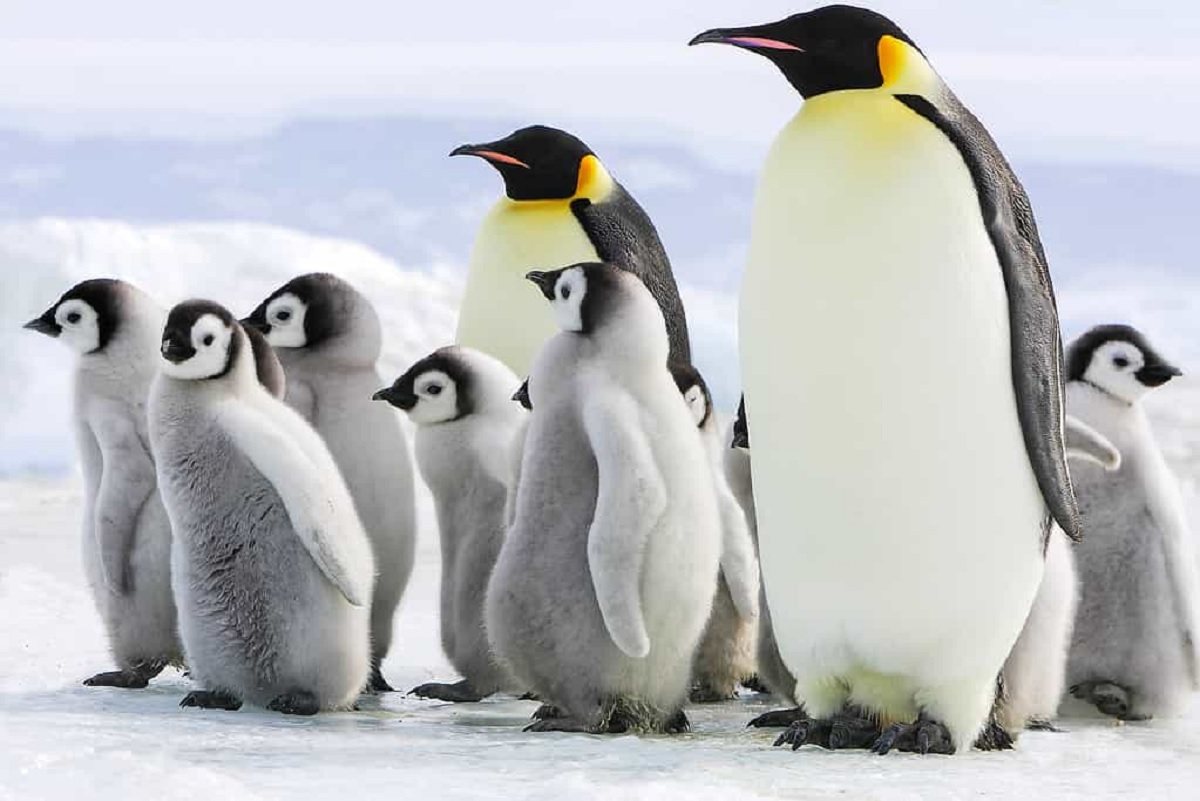
Penguins exhibit a streamlined body shape that is perfectly adapted for swimming. He or she can see that their bodies are torpedo-like, reducing water resistance and allowing them to move quickly and efficiently through the ocean. Depending on the species, penguin sizes vary dramatically, ranging from the tiny Little Blue Penguin, which is about 12 inches tall, to the Emperor Penguin, which can reach over 3 feet in height.
The compact body, combined with a layer of dense feathers and a thick layer of blubber, helps penguins maintain buoyancy and body heat in frigid waters. He or she can also notice that the legs are set far back on the body, optimizing their swimming ability while creating the characteristic upright waddle on land. These physical traits collectively reflect the balance between aquatic efficiency, thermoregulation, and terrestrial mobility, highlighting how penguins have evolved to survive both in the water and on land.
Plumage and Coloration
The black-and-white coloration of penguins serves multiple purposes. He or she can observe that the black back and white belly provide counter-shading, a natural form of camouflage that protects them from predators in the ocean. From above, the dark back blends with the deep waters, while from below, the white belly matches the bright surface, making penguins less visible to both aerial and underwater predators.
Feathers are dense, overlapping, and waterproof, which helps to insulate the penguin against extremely cold temperatures. He or she can notice that the plumage is maintained through frequent preening, spreading oil from a gland near the tail to keep the feathers water-resistant. Seasonal molting ensures that feathers remain in optimal condition for insulation and swimming efficiency. The combination of coloration and feather structure exemplifies the remarkable adaptations penguins have developed for survival in marine and polar environments.
Wings and Flippers
Penguin wings have evolved into powerful flippers designed for swimming rather than flying. He or she can notice that the bones are flattened and rigid, allowing for strong, controlled strokes underwater. These flippers enable penguins to “fly” through water with impressive agility, reaching speeds of up to 15 miles per hour in some species.
He or she can observe that the wings are relatively small compared to their body size, which makes flight impossible in air but ideal for underwater propulsion. Strong chest muscles and a streamlined body shape work in tandem with the flippers to provide thrust, maneuverability, and stability while swimming. This adaptation demonstrates how penguins have diverged from typical bird characteristics, prioritizing aquatic efficiency over aerial flight to thrive in their oceanic habitats.
Beak and Feeding Adaptations
The beak of a penguin is another important physical characteristic, specialized for catching and consuming prey. He or she can notice that penguins have strong, pointed beaks suited for grasping fish, squid, and krill. The shape and size of the beak often vary by species, reflecting differences in diet and feeding strategies.
He or she can see that the tongue and mouth are equipped with backward-facing spines, which help grip slippery prey and prevent it from escaping. These feeding adaptations work in conjunction with sharp eyesight and streamlined body movement, making penguins highly efficient hunters. By analyzing their beak structure and feeding mechanisms, one can appreciate how penguins’ physical characteristics are intricately linked to their ecological role as marine predators.
Feet and Locomotion
Penguins have strong, webbed feet that aid in swimming and terrestrial movement. He or she can notice that the feet are positioned toward the rear of the body, enhancing propulsion in water while giving the upright waddle on land. Webbed feet allow them to steer effectively while swimming and provide traction on ice and rocky surfaces.
He or she can see that the legs are muscular and adapted to withstand long periods of standing or sliding on their bellies, a behavior known as tobogganing. This mode of locomotion conserves energy during long-distance travel across ice or snow. The combination of foot structure, leg positioning, and muscular strength highlights how penguins’ physical characteristics are optimized for both aquatic and terrestrial environments, ensuring survival in harsh and variable conditions.
Reproduction and Life Cycle
Penguins have unique reproductive strategies and life cycles that are closely adapted to their harsh and aquatic environments. He or she can notice that breeding behavior, nesting, and chick-rearing vary across species but are generally influenced by seasonal changes and resource availability. Understanding the reproduction and life cycle of penguins provides insight into their survival strategies, parental roles, and developmental stages. These processes ensure that despite extreme climates, penguin populations continue to thrive through careful coordination of mating, nesting, and chick-rearing behaviors.
Courtship and Mating
Courtship in penguins is a highly ritualized process that strengthens pair bonds and ensures reproductive success. He or she can see that many species engage in displays, vocalizations, and physical gestures to attract mates. These behaviors may include bowing, head-shaking, and synchronized movements, which signal fitness and compatibility.
He or she can notice that in species like the Emperor Penguin, males arrive at breeding grounds before females and perform displays to secure territories and attract mates. Nest-building or territory preparation often accompanies these displays, reinforcing commitment and readiness for reproduction. Courtship rituals are critical because penguins often mate for life, relying on established pair bonds for efficient coordination during the breeding season. Observing courtship behaviors highlights the importance of communication, social interaction, and selection in maintaining successful penguin populations.
Nesting and Egg Laying
Nesting strategies vary among penguin species, depending on environmental conditions and habitat type. He or she can notice that some penguins, like Emperor and King Penguins, do not build traditional nests but instead incubate eggs on their feet beneath a flap of abdominal skin, called a brood pouch. Other species, such as Adélie and Gentoo Penguins, construct nests from stones, vegetation, or other materials to protect eggs from cold and predators.
He or she can see that penguins typically lay one or two eggs per breeding season, and both parents often share incubation duties. Alternating shifts allows one parent to forage while the other maintains warmth and protection for the eggs. Nesting strategies ensure optimal survival conditions for developing embryos, illustrating the careful balance penguins maintain between environmental challenges and reproductive success.
Incubation and Hatching
Egg incubation is a critical stage in the penguin life cycle, requiring precise timing and cooperative parenting. He or she can notice that depending on the species, incubation periods range from about 30 to 65 days. During this time, eggs must be kept at a constant temperature, often in freezing conditions, highlighting the importance of parental care.
He or she can see that both parents usually alternate incubation shifts, traveling to feed while ensuring the egg remains protected. Upon hatching, chicks are born covered in down and entirely dependent on their parents for warmth and nourishment. This stage demonstrates the importance of teamwork and energy management in penguin reproduction, as survival rates depend on continuous parental investment and environmental adaptation.
Chick Rearing and Development
Chick rearing is a demanding period that requires intense parental cooperation and attention. He or she can notice that penguin chicks rely on their parents for feeding, warmth, and protection until they are fully fledged. Parents regurgitate food, providing essential nutrients for rapid growth and development.
He or she can see that during this stage, chicks gradually develop waterproof feathers and strengthen muscles for swimming and survival. Some species form crèches, where multiple chicks huddle together for warmth and safety while parents forage. Chick development is carefully timed to seasonal food availability and environmental conditions, ensuring that young penguins grow strong enough to face independent life. Observing this stage highlights the critical role of parental investment and social behaviors in sustaining penguin populations.
Fledging and Independence
The final stage of the penguin life cycle is fledging, when chicks develop sufficient strength, feathers, and skills to survive independently. He or she can notice that fledging age varies by species, typically occurring a few months after hatching. Chicks gradually begin swimming, foraging, and learning essential survival skills while still receiving intermittent parental support.
He or she can see that independence marks a critical transition from parental reliance to self-sufficiency, requiring strong swimming ability, predator awareness, and social adaptability. Fledging ensures that young penguins are prepared to survive in harsh marine and terrestrial environments, continuing the species’ life cycle. This stage emphasizes the interconnectedness of growth, learning, and environmental adaptation in the reproductive strategy of penguins.
Skeletal and Anatomical Traits
Penguins have evolved distinctive skeletal and anatomical traits that support their unique lifestyle as flightless, aquatic birds. He or she can notice that these traits optimize swimming efficiency, diving ability, and thermoregulation, while maintaining structural strength for terrestrial locomotion. Examining their skeletal structure, muscle arrangement, and internal adaptations provides insight into how penguins thrive in extreme environments, highlighting the remarkable evolutionary specialization that allows them to navigate both oceanic and icy habitats successfully.
Bone Structure and Flightlessness
Penguins’ bones are denser and heavier compared to most birds, providing stability and reducing buoyancy for diving. He or she can notice that unlike flying birds, their wing bones are short and flattened, forming rigid flippers that generate propulsion underwater.
This structural adaptation sacrifices aerial flight but enhances swimming efficiency, allowing penguins to reach high speeds and maneuver precisely while hunting. He or she can also observe that the fused clavicles and robust sternum support powerful chest muscles necessary for flipper movement. These anatomical changes illustrate a shift from traditional avian flight to specialized aquatic locomotion, demonstrating how evolution has reshaped skeletal traits to meet ecological demands.
Musculature and Locomotion
Penguins possess strong pectoral and leg muscles that facilitate both swimming and walking on land. He or she can see that their pectoral muscles, attached to the rigid flipper bones, provide thrust for underwater propulsion, while leg muscles support upright walking and sliding on ice.
He or she can notice that the positioning of the legs toward the rear of the body improves swimming efficiency but creates a characteristic waddle on land. This muscle arrangement allows penguins to perform both aquatic and terrestrial movements with energy efficiency. Studying musculature reveals how anatomical traits are precisely tuned to balance the dual demands of oceanic hunting and ice-bound travel.
Internal Anatomical Adaptations
Penguins have unique internal adaptations that support diving and cold-water survival. He or she can observe that their respiratory and circulatory systems are optimized for extended dives, with high oxygen storage in muscles and blood. Specialized blood vessels help regulate heat, maintaining core temperature in icy waters.
He or she can also notice that internal organs are compact and positioned to maintain a streamlined body shape, minimizing drag while swimming. These internal anatomical traits complement skeletal and muscular adaptations, ensuring that penguins can withstand extreme environmental pressures while maintaining high levels of agility and efficiency underwater.
Skull, Beak, and Sensory Adaptations
The skull and beak of penguins are adapted for hunting aquatic prey. He or she can see that the beak is strong, pointed, and equipped with backward-facing spines to grip slippery fish and squid. The skull is streamlined to reduce resistance while diving at high speeds.
He or she can notice that sensory adaptations, including keen eyesight and a sensitive bill, enhance hunting success in murky or low-light underwater conditions. These features highlight how skeletal and anatomical traits are closely integrated with sensory and behavioral adaptations, ensuring penguins remain effective predators in their aquatic environment.
Behavioral Traits
Penguins exhibit a wide range of behavioral traits that are closely tied to their survival in extreme environments. He or she can notice that these behaviors include social interactions, mating rituals, foraging strategies, and predator avoidance. Understanding penguin behavior provides insight into their communication methods, group dynamics, and adaptive strategies for thriving in both aquatic and terrestrial habitats. Behavioral patterns also highlight the importance of cooperation and instinctive responses in maintaining population stability and ensuring the survival of offspring in challenging conditions.
Social and Group Behaviors
Penguins are highly social animals, often forming large colonies that provide protection, warmth, and opportunities for interaction. He or she can observe that colony life involves coordinated activities such as synchronized movement, group foraging, and communal defense against predators. These behaviors enhance individual and collective survival.
He or she can notice that social interactions also include vocalizations, body language, and tactile communication, which help maintain bonds and reduce conflict within colonies. By observing group dynamics, one can see how penguins balance competition and cooperation, ensuring access to food, mates, and safe nesting sites. Social behaviors are critical for navigating the challenges of dense colonies, extreme weather, and predation threats, reflecting an intricate system of communication and cooperation that has evolved over millennia.
Mating and Courtship Behaviors
Courtship and mating behaviors in penguins are highly ritualized and species-specific. He or she can notice that penguins perform displays such as bowing, vocal calls, and flipper waving to attract mates. These rituals strengthen pair bonds, which are essential for cooperative parenting and successful reproduction.
He or she can also see that some species, like the Emperor Penguin, mate for life, returning to the same partner each breeding season. Courtship is often accompanied by nest-building, territory establishment, and synchronized behaviors to demonstrate fitness and commitment. These behavioral traits ensure that pairs are well-coordinated for incubation, chick-rearing, and protection, highlighting the importance of communication, ritual, and social learning in penguin reproductive success.
Foraging and Hunting Behaviors
Penguins exhibit specialized foraging behaviors that optimize their hunting efficiency in aquatic environments. He or she can notice that they dive with precision, using streamlined bodies and powerful flippers to chase fish, squid, and krill. Group foraging is common in some species, allowing individuals to locate food more effectively and reduce predation risk.
He or she can observe that penguins also use keen eyesight and adaptive swimming techniques to capture prey in low-light or murky waters. These hunting strategies demonstrate a combination of physical adaptations and learned behavior, reflecting intelligence and coordination. By studying foraging behaviors, one can understand how penguins maximize energy intake while minimizing effort and risk, ensuring survival in resource-variable environments.
Predator Avoidance and Defense
Penguins have developed a range of behaviors to protect themselves from predators. He or she can see that group living, vigilance, and alarm calls are key strategies for predator avoidance. Birds in colonies often coordinate movements to confuse predators, while chicks huddle together for warmth and protection.
He or she can notice that penguins also employ escape tactics such as tobogganing on ice or diving quickly into water. These behaviors are instinctive but can be refined with experience, enhancing survival. Studying predator avoidance strategies reveals how behavioral adaptations are critical for coping with environmental pressures and maintaining population stability in areas with high predation risk.
Parenting and Chick-Rearing Behaviors
Parental care is a fundamental behavioral trait in penguins, with both parents typically sharing responsibilities. He or she can notice that adults take turns incubating eggs, feeding chicks, and guarding them from harsh weather and predators.
He or she can see that chicks often form crèches, where multiple young birds huddle together under adult supervision for warmth and safety. This cooperative behavior reduces energy expenditure for parents and increases chick survival rates. Observing parenting behaviors highlights the importance of teamwork, timing, and communication in ensuring the next generation thrives, reflecting a sophisticated system of social and reproductive behavior that supports population resilience.
People Also Asked
Is A Penguin A Bird Or Mammal?
He or she can notice that penguins are classified as birds despite some mammal-like traits. Penguins are warm-blooded and have a layer of fat for insulation, similar to mammals, but they possess feathers, lay eggs, and have beaks without teeth—all defining features of birds. Their skeletal structure, reproductive methods, and respiratory system align with avian characteristics. Understanding that penguins are birds helps clarify misconceptions and highlights how evolutionary adaptations can sometimes create physical and behavioral traits resembling those of mammals, while still remaining firmly within the bird classification.
Why Are Penguins Sometimes Mistaken For Mammals?
He or she can see that penguins are often confused with mammals due to their warm-bloodedness, thick insulating fat, and aquatic lifestyle. Their ability to maintain body heat in cold environments, care for their young, and swim efficiently may resemble mammalian traits. He or she can notice that their upright posture and social behaviors also contribute to the confusion. However, the presence of feathers, egg-laying reproduction, and other avian anatomical features confirm their classification as birds, demonstrating how specialized adaptations can blur casual distinctions between animal classes.
Do Penguins Lay Eggs Like Birds Or Give Birth Like Mammals?
He or she can observe that penguins lay eggs, a hallmark of birds, rather than giving live birth like mammals. Female penguins produce eggs that are incubated by one or both parents, depending on the species. He or she can notice that egg-laying requires careful incubation in cold environments, often involving unique strategies such as the male Emperor Penguin balancing the egg on his feet under a brood pouch. This reproductive trait reinforces that penguins are birds and highlights the specialized behaviors developed to ensure survival of their offspring in extreme climates.
How Do Penguins’ Feathers Differentiate Them From Mammals?
He or she can notice that penguins are covered in dense, overlapping feathers that provide insulation and waterproofing, which is a key avian trait absent in mammals. Unlike fur, feathers allow penguins to maintain body temperature while swimming in icy waters.
Final Words
Despite their unique adaptations for swimming and cold environments, penguins clearly belong to the bird category. Their egg-laying reproductive system, presence of feathers instead of fur, and hollow bones designed for flightless efficiency distinguish them from mammals. Penguins are warm-blooded like mammals, but their anatomy, skeletal structure, and behaviors such as vocal communication and social nesting align closely with avian traits. Observing their diet, hunting strategies, and colony-based lifestyles further reinforces their classification as birds rather than mammals.
Understanding is a penguin a bird or mammal helps clarify common misconceptions, especially given their aquatic abilities and mammal-like appearance in some contexts. Recognizing penguins as birds allows researchers and enthusiasts to better appreciate their ecological role, evolutionary adaptations, and conservation needs, highlighting the remarkable ways these creatures have thrived in some of the harshest environments on Earth.