What Are the State Birds of All 50 States: Complete List and Facts
The United States is home to a remarkable variety of birds, each symbolizing unique qualities that represent the culture, history, and environment of a state. Every state has designated an official bird, chosen for its significance, popularity, or connection to local wildlife. Exploring these avian symbols allows you to understand regional diversity, ecology, and the pride states place on their natural heritage. Learning about what are the state birds of all 50 states reveals fascinating patterns, including which species are shared across multiple states and which are uniquely tied to a single region.
From majestic songbirds to vibrant waterfowl, these birds reflect both aesthetic beauty and ecological importance. Understanding their symbolism and natural habitats gives insight into the relationship between people and wildlife, showcasing how each state celebrates its identity through the remarkable feathered creatures that soar, sing, and thrive across the nation.
Northeast States
The Northeast region of the United States, known for its historical significance, diverse landscapes, and seasonal changes, features a variety of state birds that reflect the region’s natural heritage. Each bird symbolizes the unique environment, cultural values, and ecological diversity of its state. He or she can explore these birds to understand both their symbolic importance and their role in local ecosystems. From woodlands to coastal areas, the state birds of the Northeast represent beauty, resilience, and regional identity, highlighting how avian species are celebrated and preserved across the eight states in this part of the country.
Chickadee
Maine has chosen the Black-capped Chickadee as its state bird, a small and lively bird that is easily recognized by its distinctive black cap and bib. He or she is admired for its friendly nature, curiosity, and ability to thrive in Maine’s harsh winters. Chickadees are highly adaptable, inhabiting forests, suburban areas, and even backyard feeders, which makes them familiar and cherished by residents.
The Black-capped Chickadee is known for its complex vocalizations and social behavior. He or she often forms mixed flocks during the winter, working collaboratively to find food and maintain warmth. This bird’s small size belies its intelligence and resilience, as it stores food for harsh months and navigates a challenging environment with remarkable efficiency. Maine’s selection of the chickadee highlights not only its widespread presence but also its symbolic representation of endurance, adaptability, and charm in the Northeast.
Purple Finch
New Hampshire proudly recognizes the Purple Finch as its state bird, a vibrant species known for its rosy plumage in males and subtle brown tones in females. He or she symbolizes the natural beauty and tranquility of the state’s forests and woodlands. These birds thrive in coniferous and mixed forests, often seen perching on branches or visiting feeders for seeds.
Purple Finches are active foragers, consuming seeds, berries, and insects throughout the year. He or she exhibits territorial behavior during the breeding season, defending nesting areas vigorously. Their melodic song is a common sound in New Hampshire’s spring and summer months, adding to the state’s charm. Recognizing the Purple Finch reflects New Hampshire’s appreciation for both the aesthetic appeal and ecological role of this bird, representing the harmony of wildlife within the region’s diverse habitats.
Hermit Thrush
Vermont has chosen the Hermit Thrush, a medium-sized songbird noted for its reddish-brown back and hauntingly beautiful, flute-like song. He or she is a symbol of solitude, natural beauty, and the peaceful forests that dominate much of Vermont’s landscape. Hermit Thrushes inhabit dense forests and are often elusive, reflecting the quiet charm and introspective character associated with Vermont.
These birds migrate during winter, traveling to southern areas but returning each spring to breed. He or she feeds primarily on insects and berries, foraging on the forest floor. The Hermit Thrush’s distinctive song, often heard at dawn and dusk, enhances the forest’s serene atmosphere. Vermont’s selection highlights an appreciation for both auditory and visual beauty, emphasizing a connection to the natural rhythms and habitats that define the state’s rural character.
Black-capped Chickadee
Massachusetts, like Maine, also honors the Black-capped Chickadee, a testament to this bird’s adaptability and appeal across the Northeast. He or she represents resilience, intelligence, and the welcoming spirit found in both rural and urban settings throughout the state. Chickadees thrive in various habitats, from woodlands to residential gardens, symbolizing versatility and charm.
During winter, Chickadees exhibit cooperative behavior, joining mixed-species flocks to locate and store food. He or she demonstrates remarkable problem-solving skills, including memory for seed caches and adaptability in navigating feeders. The choice of the Black-capped Chickadee underscores Massachusetts’ emphasis on familiar, approachable wildlife that connects people with nature daily. This bird’s presence serves as a reminder of the state’s ecological diversity and the importance of wildlife conservation.
Rhode Island Red Chicken
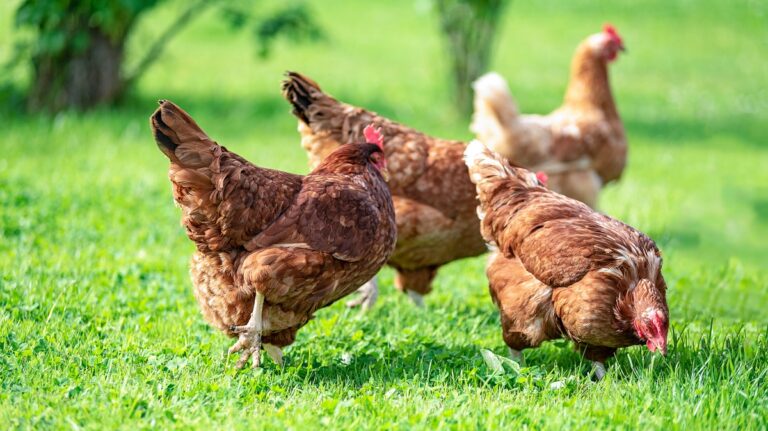
Rhode Island has a unique choice with the Rhode Island Red, a domestic chicken breed rather than a wild bird. He or she symbolizes hard work, productivity, and the agricultural heritage of the state. Developed in the late 19th century, these birds are known for their robust nature, egg-laying capacity, and adaptability to various climates.
The Rhode Island Red is often found on farms and backyard coops, reflecting the state’s historical connection to farming and food production. He or she exemplifies resilience and utility, traits valued by Rhode Islanders. Selecting a domesticated bird highlights the cultural and economic significance of poultry, bridging the gap between wildlife symbolism and human utility. It emphasizes pride in local agriculture alongside traditional natural heritage.
American Robin
Connecticut honors the American Robin, a familiar and widespread songbird with a bright orange breast and melodious voice. He or she is seen across forests, parks, and residential areas, symbolizing cheerfulness, renewal, and the changing seasons. The Robin’s presence in spring is often celebrated as a sign of warmth and growth.
Robins are versatile feeders, consuming insects, worms, and berries, which contributes to ecosystem balance. He or she is also highly territorial during breeding season, defending nests vigorously. Connecticut’s choice of the American Robin reflects a connection to daily natural observations, embodying resilience, beauty, and accessibility in the state’s landscapes. The Robin is an iconic bird that resonates with residents due to its visibility and familiar song.
Eastern Bluebird
New York has selected the Eastern Bluebird as its state bird, recognized for its striking blue plumage and reddish-orange chest. He or she inhabits open fields, meadows, and orchards, symbolizing hope, joy, and optimism. Bluebirds are cavity nesters, often using nest boxes provided by humans to support populations.
The Eastern Bluebird is socially monogamous, with both parents caring for chicks. He or she feeds on insects and berries, contributing to pest control and seed dispersal. Its vibrant color and cheerful song make it a symbol of natural beauty and environmental awareness. New York’s choice highlights both ecological significance and aesthetic appeal, reflecting a commitment to preserving native species while celebrating the state’s avian diversity.
Southeast States
The Southeast region of the United States is known for its warm climate, rich biodiversity, and lush landscapes, ranging from coastal marshes to dense forests. The state birds of this region reflect the ecological diversity and cultural heritage of each state. He or she can observe these birds to understand their symbolic significance, adaptability, and ecological roles. From songbirds to waterfowl, the state birds of the Southeast showcase vibrant colors, distinctive songs, and unique behaviors that resonate with local traditions and natural environments, emphasizing the deep connection between people and wildlife in this part of the country.
Delaware Blue Hen
Delaware’s state bird is the Delaware Blue Hen, a breed of chicken with historical significance. He or she is admired for its courage and tenacity, traits traced back to colonial militia chickens that were used in cockfighting during the Revolutionary War. These birds have striking plumage, often bluish-gray, and symbolize Delaware’s fighting spirit and resilience.
Beyond its historical importance, the Blue Hen also represents agricultural heritage, connecting residents to local farming traditions. He or she thrives in farmyards and backyard settings, demonstrating adaptability and hardiness. Observing the Delaware Blue Hen illustrates how domesticated birds can become cultural symbols, highlighting the intersection of history, economy, and natural life in shaping state identities.
Northern Mockingbird
Florida honors the Northern Mockingbird, known for its incredible vocal abilities and mimicking skills. He or she can imitate other birds, insects, and even mechanical sounds, reflecting intelligence and adaptability. Mockingbirds are common across urban and rural landscapes, symbolizing creativity and resilience.
This bird is territorial and highly protective of its nesting areas, often performing aerial displays and vocal alarms to deter intruders. He or she feeds on insects and berries, contributing to ecological balance. Florida’s selection of the Northern Mockingbird highlights both aesthetic appeal and environmental significance, demonstrating how a single species can embody beauty, adaptability, and ecological utility within a state’s diverse habitats.
Brown Thrasher
Georgia has designated the Brown Thrasher as its state bird, recognized for its rich, melodious song and striking reddish-brown plumage. He or she inhabits dense forests, shrubs, and thickets, feeding on insects, fruits, and seeds. This bird is known for singing a wide variety of songs, often repeating each phrase twice, which reflects the creativity and resilience associated with Georgia’s natural heritage.
The Brown Thrasher is territorial and primarily solitary, defending nesting and feeding areas vigorously. He or she also plays a role in seed dispersal, supporting local ecosystems. Georgia’s choice of this bird emphasizes both its distinctive appearance and ecological contribution, symbolizing the state’s harmony between beauty, resourcefulness, and environmental stewardship.
Northern Cardinal
Kentucky, like several other Southeast states, celebrates the Northern Cardinal for its bright red plumage and cheerful song. He or she inhabits forests, gardens, and suburban areas, easily recognized by residents across the state. Cardinals are monogamous and territorial, with males displaying vibrant colors to attract mates and defend territories.
Their diet consists of seeds, berries, and insects, contributing to plant propagation and pest control. He or she is a year-round resident, making it a familiar and beloved sight. Kentucky’s selection of the Northern Cardinal highlights its aesthetic charm, ecological value, and role in connecting people to their natural surroundings, reflecting the state’s appreciation for visually striking and ecologically significant wildlife.
Brown Pelican
Louisiana honors the Brown Pelican, a coastal bird notable for its large bill, striking flight pattern, and impressive fishing skills. He or she inhabits wetlands, estuaries, and coastal regions, feeding primarily on fish. The pelican symbolizes the state’s maritime heritage and the importance of preserving coastal ecosystems.
Brown Pelicans exhibit cooperative feeding behavior, often working in groups to herd fish into shallow waters. He or she is also an indicator of environmental health, as population trends reflect ecosystem stability. Louisiana’s choice of the Brown Pelican emphasizes both cultural and ecological significance, highlighting the intersection of natural beauty, wildlife conservation, and regional identity in shaping state symbols.
Northern Mockingbird
Mississippi also recognizes the Northern Mockingbird, showcasing the Southeast’s shared appreciation for this versatile and vocal bird. He or she thrives in forests, fields, and urban areas, contributing to insect control and seed dispersal. Mockingbirds’ mimicking abilities make them fascinating and culturally significant, often associated with creativity and vigilance.
Territorial and protective, he or she defends nesting areas aggressively while singing complex, varied songs. This bird embodies resilience and adaptability, resonating with the values of Mississippi residents. Recognizing the Northern Mockingbird emphasizes the state’s connection to both the aesthetic and ecological importance of avian species.
Northern Cardinal
North Carolina has selected the Northern Cardinal, a vivid, red-plumed bird that symbolizes beauty, vitality, and the changing seasons. He or she inhabits forests, gardens, and backyards, providing residents with a familiar and uplifting presence year-round. Cardinals are monogamous, territorial, and highly visible, making them ideal symbols for state identity.
Their diet of seeds, berries, and insects supports ecological balance, while their distinctive song enhances the auditory landscape of the state. He or she is also culturally significant, appearing in art, literature, and local traditions. North Carolina’s choice reflects an appreciation for birds that combine aesthetic charm with ecological relevance, connecting residents to both nature and community identity.
Carolina Wren
South Carolina honors the Carolina Wren, a small, active bird with a rich, loud song. He or she thrives in forests, gardens, and suburban areas, often nesting in tree cavities or human-made structures. The Carolina Wren’s energetic behavior and melodious vocalizations symbolize vitality, adaptability, and resilience.
This bird forages for insects, spiders, and seeds, contributing to ecosystem balance. He or she is also highly territorial, defending nesting areas aggressively. South Carolina’s selection reflects both ecological importance and cultural recognition, emphasizing the connection between human communities and familiar, engaging wildlife in everyday landscapes.
Northern Mockingbird
Tennessee recognizes the Northern Mockingbird, echoing the Southeast’s admiration for this intelligent and versatile species. He or she inhabits diverse habitats, including forests, fields, and urban areas, where its mimicking song adds richness to the local soundscape.
Mockingbirds feed on insects, fruits, and berries, playing a role in ecological health. Territorial and alert, he or she defends nesting sites vigorously while providing residents with a visually and aurally engaging presence. Tennessee’s choice of the Northern Mockingbird highlights adaptability, vocal skill, and the importance of connecting communities with the natural environment.
Northern Cardinal
Virginia, like several other Southeastern states, celebrates the Northern Cardinal. He or she is valued for vibrant red plumage in males, melodious songs, and year-round visibility. Cardinals inhabit forests, gardens, and suburban areas, forming monogamous pairs and defending territories actively.
Their diet supports plant growth and pest control, and their striking appearance makes them culturally and ecologically significant. He or she is also symbolic of vitality, resilience, and beauty. Virginia’s choice underscores the enduring popularity of the Northern Cardinal in the Southeast, highlighting shared appreciation for aesthetic appeal and environmental relevance across the region.
Midwest States
The Midwest region of the United States, often called the nation’s heartland, is characterized by expansive plains, forests, and freshwater lakes. The state birds of this region reflect its ecological diversity, agricultural heritage, and cultural identity. He or she can explore these birds to understand how natural history and local symbolism intertwine. From colorful songbirds to resilient waterfowl, the Midwest’s avian symbols highlight regional beauty, adaptability, and the deep connection between communities and the wildlife that inhabits prairies, woodlands, and wetlands across this central part of the country.
Northern Cardinal
Illinois honors the Northern Cardinal, a vibrant red songbird celebrated for its striking plumage and melodic voice. He or she inhabits forests, backyards, and urban areas, providing residents with a familiar and uplifting presence year-round. Cardinals are monogamous and territorial, with males defending nesting areas while using bright colors to attract mates.
Their diet of seeds, fruits, and insects supports ecological balance, aiding in plant propagation and pest control. He or she is culturally significant, appearing in art, literature, and seasonal traditions. The Northern Cardinal’s visibility, beauty, and ecological role make it a beloved symbol in Illinois, reflecting resilience, vitality, and a strong connection to the natural environment. This bird embodies the harmony between people and wildlife that defines much of the Midwest’s charm.
Indiana: Northern Cardinal
Indiana, like Illinois, recognizes the Northern Cardinal for its bold red plumage, beautiful song, and adaptability. He or she thrives in forests, gardens, and suburban areas, remaining active throughout the year. Cardinals’ monogamous pairing behavior and territorial defense make them a reliable presence for observers, symbolizing stability and connection to the local ecosystem.
Their diet of seeds, berries, and insects contributes to ecological balance, while their vivid appearance and musical vocalizations enhance natural landscapes. He or she represents resilience and beauty, bridging aesthetic appeal with environmental importance. Indiana’s choice highlights continuity across the Midwest, celebrating birds that are visually striking, ecologically relevant, and culturally familiar, creating a sense of regional identity through shared wildlife symbolism.
Eastern Goldfinch
Iowa has chosen the Eastern Goldfinch, a small, bright yellow bird with black wings and tail markings. He or she is found in fields, meadows, and gardens, thriving in areas rich with seeds and open spaces. Goldfinches are migratory, adapting to seasonal changes and demonstrating resilience and resourcefulness.
During the breeding season, males exhibit vibrant plumage to attract mates. He or she feeds primarily on seeds, particularly from thistles and sunflowers, helping disperse plants across the landscape. Their cheerful song and energetic behavior add charm to Iowa’s rural and suburban environments. The Eastern Goldfinch reflects Iowa’s appreciation for visual beauty, adaptability, and ecological contribution, highlighting the interconnection between local wildlife and agricultural landscapes.
Western Meadowlark
Kansas honors the Western Meadowlark, a ground-dwelling songbird known for its bright yellow chest and melodious flute-like song. He or she inhabits open grasslands, prairies, and farmlands, embodying the Midwest’s expansive landscapes. Meadowlarks are territorial, using song to establish boundaries and attract mates.
Their diet includes insects and seeds, contributing to pest control and ecological balance. He or she also serves as an indicator of prairie health, reflecting the importance of habitat preservation. Kansas’ selection highlights both aesthetic appeal and environmental relevance, emphasizing the cultural and ecological significance of grassland birds in shaping regional identity. The Western Meadowlark symbolizes resilience, harmony with nature, and the vibrant spirit of the Midwest.
American Robin
Michigan celebrates the American Robin, a medium-sized songbird with a bright orange breast and melodic song. He or she is widely distributed across forests, gardens, and urban areas, thriving in diverse habitats. Robins are migratory, adapting to seasonal changes, and are active foragers of worms, insects, and berries.
Their melodious song marks the arrival of spring, connecting residents with seasonal rhythms. He or she is territorial during breeding season, defending nests while nurturing young. Michigan’s choice reflects familiarity, ecological importance, and aesthetic charm. The American Robin embodies resilience, adaptability, and the harmonious coexistence of wildlife and human communities throughout Michigan’s varied landscapes.
Common Loon
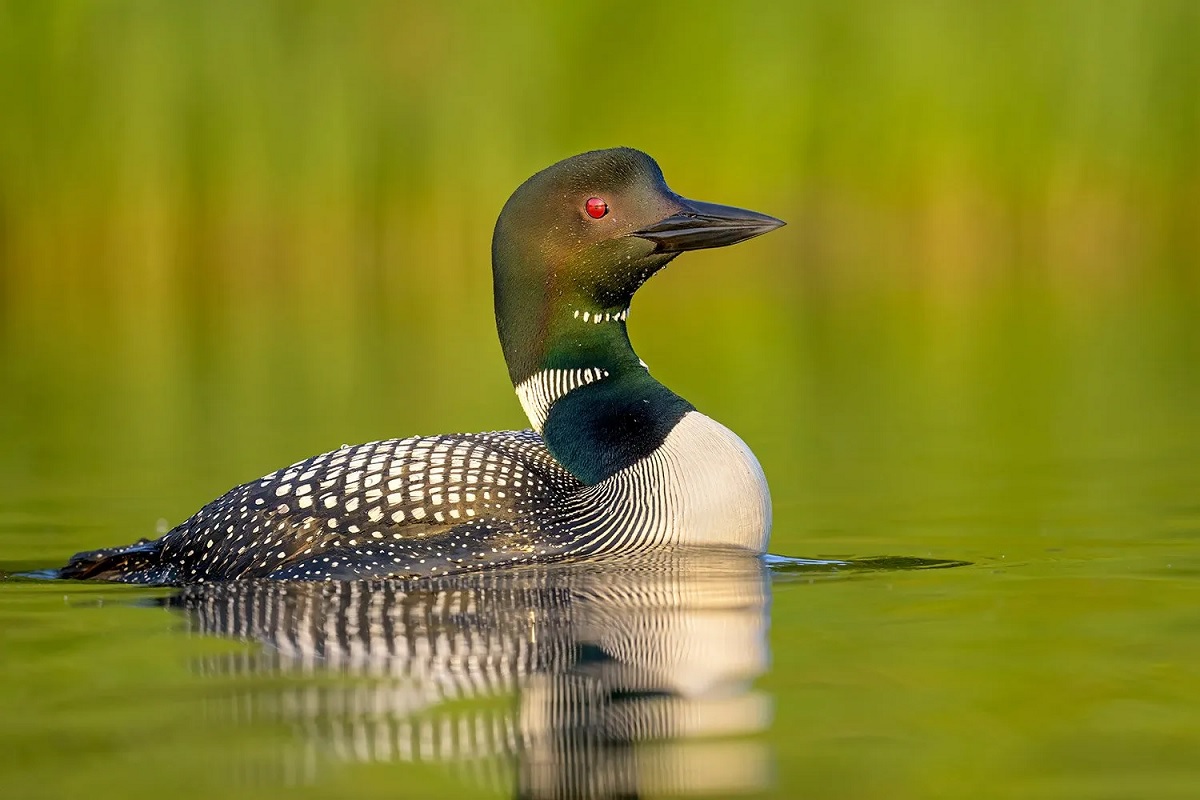
Minnesota has designated the Common Loon as its state bird, a waterfowl known for striking black-and-white plumage, red eyes, and haunting calls. He or she inhabits lakes and wetlands, reflecting the state’s abundant freshwater ecosystems. Loons are skilled divers and hunters, feeding primarily on fish and demonstrating remarkable adaptability in aquatic environments.
Their distinctive calls echo across northern lakes, marking territory and attracting mates. He or she contributes to ecological balance as a top predator in freshwater habitats. Minnesota’s choice emphasizes the importance of aquatic ecosystems and cultural recognition of iconic regional species. The Common Loon symbolizes wilderness, natural beauty, and the connection between communities and Minnesota’s rich aquatic landscapes.
Eastern Bluebird
Missouri honors the Eastern Bluebird, a small, brightly colored songbird with a blue back and reddish-orange chest. He or she inhabits open fields, orchards, and suburban areas, often nesting in cavities or birdhouses. Bluebirds are territorial and monogamous, with both parents participating in rearing chicks.
He or she feeds on insects and berries, contributing to ecological health and pest control. Their vivid colors and cheerful song enhance the natural environment, making them a favorite among residents. Missouri’s selection reflects both aesthetic charm and environmental significance, highlighting the interplay between regional identity, cultural appreciation, and ecological stewardship in the Midwest.
Southwest States
The Southwest region of the United States is defined by arid deserts, rugged mountains, and vibrant cultural heritage. The state birds of this region reflect the unique ecosystems, climate adaptations, and historical significance of each state. He or she can explore these birds to understand how they symbolize resilience, beauty, and the connection between people and nature. From striking songbirds to iconic desert dwellers, the Southwest’s avian symbols highlight the diversity of wildlife that thrives in challenging environments, while emphasizing the cultural and ecological importance these birds hold across Arizona, New Mexico, Oklahoma, and Texas.
Cactus Wren
Arizona’s state bird is the Cactus Wren, a medium-sized bird adapted to desert life. He or she is notable for its spotted brown plumage, long tail, and distinctive, loud calls that echo across arid landscapes. The Cactus Wren thrives in desert scrub, particularly around saguaro cacti, where it builds large, domed nests to protect against predators and heat.
He or she is highly territorial, often defending nesting sites aggressively, and feeds on insects, spiders, and occasionally fruit. The Cactus Wren’s ability to survive extreme temperatures and limited water availability highlights remarkable ecological adaptations. Arizona’s choice reflects resilience, resourcefulness, and the striking beauty of desert wildlife, making this bird a perfect symbol for the state’s unique natural environment and cultural identity.
Greater Roadrunner
New Mexico has selected the Greater Roadrunner, a ground-dwelling bird renowned for speed, agility, and adaptability. He or she inhabits deserts, scrublands, and open areas, where it hunts insects, small reptiles, and rodents. Roadrunners are capable runners, reaching impressive speeds to catch prey and evade predators, a necessity in the challenging Southwestern environment.
This bird is also symbolic in Native American culture, representing protection, agility, and vigilance. He or she nests in low shrubs, rocks, or man-made structures, ensuring survival in habitats with limited cover. The Greater Roadrunner embodies resilience and adaptability, perfectly reflecting New Mexico’s arid landscapes and the cultural significance of wildlife that thrives under demanding environmental conditions. Observing this bird demonstrates how ecological specialization can produce both survival efficiency and cultural symbolism.
Scissor-tailed Flycatcher
Oklahoma’s state bird is the Scissor-tailed Flycatcher, easily recognized by its long, forked tail and striking gray, white, and pink plumage. He or she inhabits open fields, prairies, and agricultural areas, where it feeds on insects caught in midair. The bird’s aerial acrobatics and elegant flight patterns make it a symbol of grace, freedom, and agility.
Scissor-tailed Flycatchers are territorial during the breeding season, with both males and females contributing to nest building and chick rearing. He or she relies on perches to scan for prey and perform dramatic displays that communicate dominance and attract mates. Oklahoma’s selection highlights the region’s prairie ecosystem, emphasizing the visual beauty and ecological role of this unique avian species in maintaining insect populations and adding vibrancy to the local landscape.
Northern Mockingbird
Texas celebrates the Northern Mockingbird, a widespread and versatile songbird known for its mimicking abilities. He or she inhabits forests, urban areas, and open fields, consuming insects, fruits, and berries while contributing to ecological balance. Mockingbirds are territorial and vigilant, defending nesting sites aggressively.
Their complex songs often imitate other birds, insects, and environmental sounds, showcasing intelligence and adaptability. He or she is culturally significant in Texas, symbolizing pride, vigilance, and the enduring beauty of local wildlife. The Northern Mockingbird’s presence across diverse habitats makes it an accessible and beloved symbol. Texas’ choice reflects both ecological relevance and aesthetic appeal, demonstrating how a single species can embody cultural identity, adaptability, and natural heritage across an expansive and varied landscape.
Western States
The Western United States is defined by dramatic landscapes, from rugged mountains to expansive deserts and coastal regions. The state birds of this region represent the ecological diversity, cultural heritage, and natural beauty found across these varied environments. He or she can explore these birds to understand how they reflect adaptation, resilience, and symbolism in relation to regional identity. From colorful songbirds to unique desert and coastal species, the Western states’ avian symbols illustrate both the natural richness and cultural pride of states like Alaska, California, Colorado, Hawaii, Idaho, Montana, Nevada, Oregon, Utah, Washington, and Wyoming.
Willow Ptarmigan
Alaska’s state bird is the Willow Ptarmigan, a hardy bird well adapted to subarctic climates. He or she has seasonal plumage changes—white in winter for camouflage in snow and brown in summer to blend with tundra vegetation. This adaptation allows the ptarmigan to survive extreme cold, high winds, and snowy landscapes.
The Willow Ptarmigan is primarily ground-dwelling, feeding on willow buds, leaves, and twigs. He or she is capable of short flights but relies on running and camouflage to evade predators. Breeding involves ground nests with well-camouflaged eggs, reflecting careful adaptation to harsh environments. Alaska’s choice of the Willow Ptarmigan symbolizes resilience, endurance, and the ability to thrive in challenging conditions, emphasizing the connection between wildlife and the state’s rugged natural landscapes.
California Quail
California honors the California Quail, a small, plump bird recognized for its distinctive topknot and scaled feather patterns. He or she inhabits chaparral, grasslands, and suburban gardens, forming coveys to forage for seeds and insects. Social behavior and coordinated movement help them avoid predators while searching for food.
The California Quail is non-migratory, adapted to year-round survival in the Mediterranean climate of the state. He or she nests on the ground and relies on dense vegetation for protection. California’s selection highlights adaptability, community behavior, and regional ecological relevance. Observing this bird emphasizes the importance of habitat preservation and the symbolic representation of beauty, vigilance, and social cohesion within California’s diverse environments.
Lark Bunting
Colorado’s state bird is the Lark Bunting, known for its striking black and white breeding plumage and melodious song. He or she inhabits grasslands, prairies, and open fields, where males perform elaborate flight displays to attract females. These behaviors reflect courtship strategies adapted to expansive landscapes.
Lark Buntings feed primarily on seeds and insects, contributing to pest control and plant propagation. He or she migrates seasonally, showcasing adaptability to varying environments. Colorado’s choice highlights both visual beauty and ecological importance, emphasizing how grassland species play critical roles in ecosystem balance while symbolizing regional pride and cultural heritage tied to the open landscapes of the state.
Hawaiian Honeycreeper (ʻIʻiwi)
Hawaii has chosen the ʻIʻiwi, a striking red honeycreeper with a curved bill specialized for nectar feeding. He or she inhabits tropical forests, playing a key role in pollinating native plants. The ʻIʻiwi’s vibrant plumage and unique feeding behavior make it a symbol of Hawaii’s biodiversity and natural beauty.
He or she faces threats from habitat loss and introduced species, highlighting the fragility of island ecosystems. Adaptations include specialized tongue and beak morphology for extracting nectar and navigating forest canopy. Hawaii’s choice emphasizes ecological uniqueness, resilience, and cultural significance, showcasing how endemic birds embody both environmental and symbolic value in island ecosystems.
Western Meadowlark
Montana honors the Western Meadowlark, recognized for its bright yellow chest and flute-like song. He or she inhabits open prairies and grasslands, feeding on insects and seeds. The bird’s melodious song serves to establish territory and attract mates, symbolizing the beauty and openness of Montana’s landscapes.
Western Meadowlarks are ground-nesting and highly territorial during breeding season, reflecting adaptation to prairie ecosystems. He or she plays a vital ecological role in controlling insect populations and aiding plant propagation. Montana’s selection highlights the harmony between wildlife, regional identity, and ecological stewardship, celebrating a bird that is both visually striking and functionally significant within its habitat.
Mountain Bluebird
Nevada celebrates the Mountain Bluebird, a migratory species known for its vibrant sky-blue plumage. He or she inhabits open meadows, prairies, and mountainous regions, feeding primarily on insects and berries. The bird’s aerial displays and melodic song make it a cherished symbol of freedom and beauty.
Mountain Bluebirds nest in cavities or man-made nest boxes, demonstrating adaptability to human-altered landscapes. He or she contributes to ecological balance by controlling insect populations and supporting plant propagation. Nevada’s selection emphasizes aesthetic appeal, ecological importance, and adaptability, reflecting the resilience and natural splendor of the state’s open and mountainous environments.
Western Meadowlark
Oregon also honors the Western Meadowlark, emphasizing the bird’s role as a grassland species with melodious song and striking yellow chest. He or she inhabits prairies, meadows, and agricultural areas, foraging on insects, seeds, and small invertebrates.
Territorial during breeding season, he or she uses song to communicate and attract mates. Oregon’s choice highlights ecological relevance, aesthetic charm, and regional pride. Observing the Western Meadowlark illustrates the importance of grassland preservation and the symbolic representation of the state’s open landscapes and natural beauty.
California Gull
Utah’s state bird is the California Gull, a coastal and inland waterbird with gray and white plumage. He or she inhabits lakes, rivers, and wetlands, feeding on insects, small fish, and invertebrates. The gull is famous for its historical significance in saving Utah settlers’ crops from crickets in the 19th century, symbolizing resourcefulness and providence.
He or she nests in colonies on isolated islands or wetlands, demonstrating social structure and cooperative survival strategies. Utah’s selection highlights both ecological adaptability and cultural symbolism, reflecting a bird that is both functional in its ecosystem and emblematic of the state’s history and natural resourcefulness.
Willow Goldfinch (American Goldfinch)
Washington honors the American Goldfinch, also called the Willow Goldfinch, a small, bright yellow bird with black wings and tail. He or she inhabits fields, meadows, and gardens, feeding on seeds and small insects. Their cheerful song and vibrant color symbolize optimism, energy, and the beauty of the state’s natural landscapes.
Goldfinches are migratory, adapting to seasonal changes and demonstrating resilience. He or she nests in shrubs or low trees, emphasizing habitat preference and ecological role in seed dispersal. Washington’s choice reflects both aesthetic appeal and environmental significance, connecting residents to the region’s rich biodiversity.
Western Meadowlark
Wyoming has also selected the Western Meadowlark, a grassland bird recognized for its bright yellow chest and melodic song. He or she inhabits prairies, grasslands, and agricultural areas, foraging on insects and seeds. Territorial and vocal during breeding season, he or she contributes to ecological balance and plant propagation.
Wyoming’s choice highlights both ecological importance and cultural symbolism, representing resilience, regional identity, and the beauty of wide-open landscapes. Observing the Western Meadowlark emphasizes the connection between wildlife and the environment, showcasing how grassland species are celebrated as state symbols across multiple Western states.
Mountain and Pacific States
The Mountain and Pacific regions of the United States feature diverse landscapes ranging from towering mountain ranges to expansive coastlines and fertile valleys. The state birds of these areas represent the unique ecosystems, wildlife adaptations, and cultural significance of each state. He or she can explore these birds to understand how they symbolize resilience, beauty, and regional identity. From songbirds to waterfowl and desert specialists, the avian symbols of Mountain and Pacific states highlight ecological diversity, aesthetic charm, and the deep connection between communities and the natural environment across states like Alaska, Hawaii, California, Oregon, Washington, and more.
Willow Ptarmigan
Alaska has chosen the Willow Ptarmigan as its state bird, a bird well-adapted to the harsh subarctic environment. He or she changes plumage seasonally—from white in winter to brown in summer—providing camouflage against snow and tundra landscapes. This adaptation is crucial for survival, allowing the ptarmigan to evade predators and thrive in extreme conditions.
The Willow Ptarmigan is primarily a ground-dweller, feeding on leaves, buds, and twigs of shrubs such as willow and birch. He or she can fly short distances but relies on running and concealment for safety. During the breeding season, nests are hidden on the ground with well-camouflaged eggs, demonstrating the species’ survival strategy. Alaska’s choice reflects resilience, endurance, and a connection to the state’s rugged wilderness, symbolizing both ecological and cultural importance.
Hawaiian Honeycreeper (ʻIʻiwi)
Hawaii honors the ʻIʻiwi, a native honeycreeper renowned for its bright red plumage and curved bill specialized for nectar feeding. He or she inhabits tropical forests, feeding on nectar from native flowers and playing a key role in pollination. This specialization reflects the unique evolutionary paths of island species.
The ʻIʻiwi faces challenges from habitat loss and introduced predators, highlighting the fragility of Hawaii’s ecosystem. He or she demonstrates remarkable adaptations with a specialized tongue and feeding strategy that allow survival in dense forest canopies. Hawaii’s selection underscores the ecological uniqueness of endemic species and their cultural significance, emphasizing conservation and appreciation of native wildlife. Observing this bird offers insight into the delicate balance between biodiversity, adaptation, and human impact on island ecosystems.
California Quail
California’s state bird is the California Quail, easily recognized by its topknot and scaled feather patterns. He or she inhabits chaparral, woodlands, and urban gardens, forming social coveys that forage together for seeds and insects. This bird is well-adapted to a Mediterranean climate, remaining active year-round.
The California Quail nests on the ground, often concealed in dense vegetation for protection from predators. He or she exhibits strong social behavior, communicating with calls and visual signals within coveys. California’s choice highlights adaptability, social cohesion, and ecological significance, symbolizing the beauty and resilience of native species. This bird represents both aesthetic appeal and the practical importance of maintaining healthy habitats within diverse landscapes.
Western Meadowlark
Oregon honors the Western Meadowlark, a grassland bird with a bright yellow chest and melodious flute-like song. He or she inhabits prairies, meadows, and agricultural lands, feeding on insects and seeds while maintaining ecological balance.
Territorial and vocal during breeding season, he or she establishes boundaries and attracts mates through song. The Western Meadowlark is a visual and auditory emblem of Oregon’s open landscapes, symbolizing resilience, beauty, and harmony with nature. He or she highlights the importance of grassland preservation and the ecological role of native birds in maintaining biodiversity across the Pacific region. Oregon’s selection underscores aesthetic charm and environmental significance in state symbolism.
Washington: American Goldfinch
Washington celebrates the American Goldfinch, also called the Willow Goldfinch, a small bird with bright yellow plumage and black wing markings. He or she inhabits meadows, fields, and suburban areas, feeding primarily on seeds and insects. Their cheerful song and vibrant color make them symbols of optimism and natural beauty.
Goldfinches are migratory, adapting to seasonal changes with remarkable resilience. He or she nests in shrubs or low trees, helping disperse seeds and maintain ecosystem balance. Washington’s choice highlights both ecological function and visual appeal, connecting residents to the region’s rich biodiversity and celebrating the vitality of native wildlife. Observing the American Goldfinch offers insight into adaptation, ecological contribution, and the joy birds bring to human communities.
Additional Mountain States
Other Mountain States, such as Colorado, Montana, Utah, and Wyoming, also feature iconic birds like the Lark Bunting, Western Meadowlark, and California Gull. He or she can find these birds across open prairies, wetlands, and alpine habitats, where each plays a critical ecological role. These species demonstrate resilience, territorial behavior, and adaptation to rugged and variable environments.
Mountain and Pacific state birds are often visually striking and vocally expressive, serving as symbols of natural beauty and regional identity. He or she can observe these birds to understand the connection between ecosystems and cultural pride. Their presence reflects the diversity of habitats, from coastal wetlands to high-altitude meadows, emphasizing the importance of conservation and the enduring relationship between humans and wildlife across these states.
FAQs
What Are The State Birds Of All 50 States And Why Are They Chosen?
He or she can see that each state bird reflects cultural, historical, or ecological significance. State birds are often chosen because they are common in the region, visually striking, or represent local values such as resilience or beauty. He or she can explore the symbolism behind each selection, like the Northern Cardinal representing vitality in several states or the Western Meadowlark symbolizing open grasslands. These birds not only highlight regional wildlife but also foster public interest in conservation and connect communities to their natural environment.
How Do State Birds Represent Their States?
State birds often symbolize the unique characteristics of their home states. He or she can notice how bright plumage, melodious songs, or adaptive behaviors reflect the environment, culture, or history of each region. For example, the Cactus Wren in Arizona represents desert resilience, while the Rhode Island Red showcases agricultural heritage. He or she can understand that these selections create a connection between people and wildlife, emphasizing ecological awareness and cultural pride, making state birds not only icons of natural beauty but also symbols of identity and community.
Are There Birds That Are Shared By Multiple States?
Yes, some birds serve as symbols for multiple states due to their wide distribution or cultural significance. He or she can observe that the Northern Cardinal is the state bird for seven states, while the Western Meadowlark represents several Western and Midwestern states. These shared selections highlight common ecosystems, similar environmental conditions, or cultural appreciation across regions. He or she can explore how shared birds provide a sense of continuity and unity, while still reflecting the specific characteristics and heritage of each state that chose them.
How Can You Identify The State Birds In The Wild?
He or she can identify state birds by observing size, color, markings, habitat, and behavior. For example, the bright red male Northern Cardinal is easy to spot in backyards and woodlands, while the Brown Pelican is recognized along coastal regions. He or she can use field guides, birdwatching apps, and binoculars to enhance identification. Listening to their distinctive songs or calls also helps distinguish species. Observing nesting habits and feeding behaviors provides additional clues to confirm the presence of specific state birds in their natural habitats.
Do State Birds Have Any Ecological Importance?
State birds play a vital role in local ecosystems, supporting biodiversity and ecological balance. He or she can see that they control insect populations, disperse seeds, and pollinate plants, contributing to healthy habitats. For example, the American Goldfinch aids in seed dispersal, while the Brown Pelican helps maintain fish populations along coasts. He or she can understand that protecting state birds not only preserves cultural symbols but also sustains ecosystems. Their ecological roles highlight the importance of conservation efforts and the connection between human communities and wildlife.
Can Learning About State Birds Encourage Conservation?
Absolutely, understanding state birds can foster awareness and inspire conservation efforts. He or she can learn about the habitats, behaviors, and threats facing these species, such as habitat loss, pollution, or invasive species. Observing or protecting these birds encourages participation in birdwatching, habitat restoration, and local environmental programs. He or she can see that state birds serve as ambassadors for broader wildlife protection initiatives, creating a sense of responsibility toward nature and reinforcing the value of preserving both cultural symbols and ecological systems for future generations.
Final Thoughts
Exploring the diverse array of birds representing each state offers a fascinating glimpse into the natural heritage and regional identities across the country. From the vibrant songbirds of the Northeast to the resilient species of the West, these avian symbols reflect the unique environments and cultural significance of their respective states. Understanding their habitats, behaviors, and distinguishing traits allows bird enthusiasts and casual observers alike to appreciate the variety and beauty of these creatures.
Many state birds have also become ambassadors for conservation, highlighting the importance of protecting local wildlife and ecosystems. For anyone interested in American wildlife, learning what are the state birds of all 50 states provides both educational insight and inspiration to observe and preserve these remarkable species. Recognizing these birds encourages a deeper connection with nature while celebrating the diversity of the nation’s natural treasures.