Can All Birds Fly: Facts, Exceptions, and Adaptations Explained
Birds are often celebrated for their ability to soar gracefully through the sky, using wings designed for flight and hollow bones that reduce weight. Observing birds in motion, from small songbirds to large raptors, reinforces the idea that flight is a defining feature of these creatures. Yet, not every bird species shares this remarkable ability. Some birds have evolved in ways that limit or entirely prevent flight, adapting to unique environments on land or water.
Understanding which birds can and cannot fly reveals fascinating insights into evolution, survival strategies, and ecological roles. Examining traits such as wing shape, body structure, and habitat preferences provides clues about a bird’s mobility and lifestyle. Exploring this question of can all birds fly not only satisfies curiosity but also deepens appreciation for the diversity and adaptability of avian species across the planet.
Birds That Cannot Fly
While flight is a defining feature for many bird species, some have evolved to survive without it. Birds that cannot fly have adapted to life on the ground, in water, or in isolated ecosystems, often developing strong legs, specialized feathers, and unique behaviors. These adaptations allow them to thrive despite the lack of flight, demonstrating remarkable evolutionary diversity. Studying flightless birds offers insights into habitat specialization, predator avoidance, and survival strategies. Observing physical traits, locomotion, and ecological roles helps bird watchers, researchers, and conservationists appreciate the unique ways these birds navigate the world and maintain their populations.
Penguins
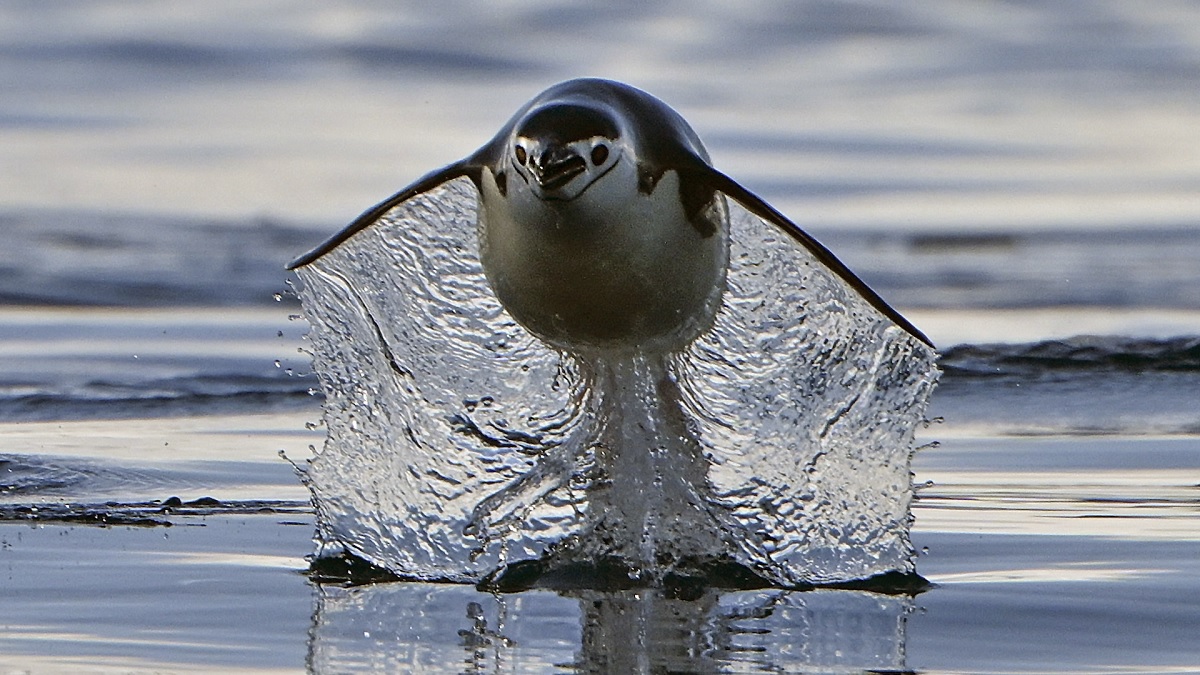
Penguins are among the most well-known flightless birds, thriving in cold environments and relying on water for movement and hunting. He or she uses powerful flippers and streamlined bodies to “fly” through water, catching fish, squid, and crustaceans with remarkable precision. Penguins’ wings have evolved for swimming rather than flying, making them agile underwater predators.
On land, penguins waddle or slide on their bellies, conserving energy while traveling across ice and snow. Their feathers are densely packed and waterproof, providing insulation against freezing temperatures. Colonies are highly social, with nesting, feeding, and chick-rearing coordinated among group members. Penguins’ inability to fly is offset by these adaptations, which ensure survival in extreme climates. Understanding penguin behavior and physiology demonstrates how flightless birds can thrive in specialized habitats through unique physical and behavioral traits.
Ostriches
Ostriches are the largest living birds, native to African savannas, and are flightless by necessity due to their massive size. He or she uses powerful legs to run at speeds up to 45 miles per hour, escaping predators like lions and hyenas. The wings are small relative to body size and serve primarily for balance and courtship displays rather than flight.
Ostriches have strong, muscular legs with two toes on each foot, allowing efficient running and stability on sandy or uneven terrain. They also use legs defensively, delivering powerful kicks to deter predators. Social behaviors include group nesting and coordinated vigilance to protect eggs and young. These adaptations highlight how evolution favors alternative survival strategies, showing that flightlessness does not equate to vulnerability when other physical and behavioral traits compensate effectively.
Kiwis
Kiwis, native to New Zealand, are small, nocturnal, and highly adapted to forest floor life. He or she has tiny wings hidden under dense feathers, rendering flight impossible, but strong legs allow efficient running and digging for insects, worms, and other invertebrates. Their long, sensitive bills detect prey underground, showcasing a specialized foraging adaptation.
Kiwis are mostly solitary, with keen olfactory senses compensating for limited vision. Nesting occurs in burrows or dense vegetation, providing protection for eggs and chicks. Flightlessness in kiwis has evolved due to a lack of mammalian predators historically, allowing energy allocation toward reproduction and foraging rather than flight. Studying kiwi behavior emphasizes the role of habitat, predator presence, and evolutionary pressures in shaping bird species.
Emus
Emus, native to Australia, are large flightless birds adapted to open grasslands and arid regions. He or she uses long, powerful legs to run quickly, reaching speeds up to 30 miles per hour, while small wings assist in balance and courtship displays. Emus forage for plants, seeds, and insects, traveling long distances to find food and water.
Social behaviors include forming temporary flocks during feeding or migration periods. Male emus take primary responsibility for incubating eggs and protecting chicks, showcasing a unique parenting strategy. Flightlessness is compensated by endurance, speed, and adaptability to harsh climates. Observing emus demonstrates how size, leg strength, and ecological flexibility allow birds to thrive without flight.
Cassowaries
Cassowaries are large, flightless birds from the rainforests of New Guinea and northern Australia. He or she has strong legs, sharp claws, and a striking casque on the head used for defense and navigating dense vegetation. Cassowaries are excellent runners and can jump or swim when necessary.
Their diet primarily consists of fruits, supplemented by small animals or insects. They are solitary and territorial, using their size and claws to deter predators. Flightlessness is balanced by strength, agility, and awareness of their habitat. Cassowaries play a vital role in seed dispersal, demonstrating that flightless birds can have significant ecological impacts despite lacking aerial mobility.
Flightless Ducks and Rails
Several waterfowl and rail species are flightless, often evolving on isolated islands. He or she relies on swimming, walking, or hiding to survive in predator-free environments. Examples include the flightless steamer ducks and some island rails. These birds often have reduced wings, strong legs, and specialized feeding habits.
Flightlessness on islands evolves due to lack of predators and limited need for migration. Nesting and foraging behaviors adapt to ground-level life, with cryptic coloration helping avoid threats. Studying these birds illustrates how ecological isolation and evolutionary pressures shape morphology, behavior, and survival strategies.
Evolutionary Reasons for Flightlessness
Flightlessness evolves in birds due to factors such as large body size, absence of predators, energy conservation, and habitat specialization. He or she reallocates energy from flight muscles to legs, reproduction, or foraging efficiency. Isolated environments, like islands, often produce flightless species as escape from predators is less crucial, and survival relies on other traits.
Comparing flightless species shows diverse adaptations—from swimming prowess in penguins to running speed in ostriches and emus. Morphology, behavior, and ecological roles demonstrate that flightless birds are not disadvantaged but optimized for their unique environments. Understanding these evolutionary pressures highlights how adaptability and niche specialization allow survival without flight.
Birds with Limited Flying Ability
Not all birds fit neatly into categories of fully flighted or completely flightless. Some species possess limited flying abilities, capable of short bursts, gliding, or controlled flapping rather than sustained flight. These adaptations are often responses to environmental conditions, predation pressures, or energy conservation needs. Birds with limited flying ability often rely on strong legs, climbing skills, or swimming to move efficiently. Studying these birds reveals how evolutionary pressures shape wing structure, behavior, and habitat use, offering insights into the diversity and versatility of avian survival strategies.
Galliformes: Ground-Dwelling Short Flyers
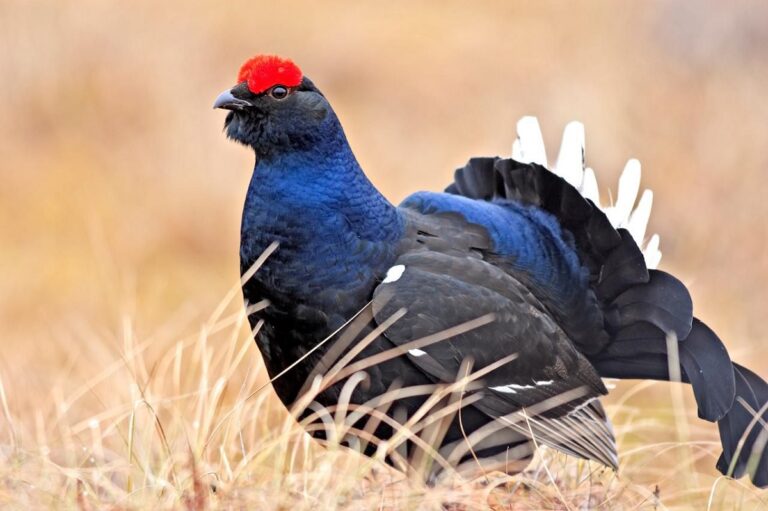
Birds in the Galliformes order, including chickens, turkeys, and quails, typically have limited flight capabilities. He or she can perform short bursts to escape predators or reach low branches but cannot sustain long-distance flight. Strong legs support running and scratching for food, while wings provide only brief elevation when necessary.
These birds often inhabit open fields, woodlands, or shrublands where short flights suffice to navigate obstacles. Quails and pheasants are known for explosive takeoffs, rapidly ascending and landing nearby, allowing them to evade threats. Flight muscles are less developed than in migratory species, prioritizing leg strength for terrestrial locomotion. Observing these birds highlights the balance between energy-efficient ground movement and limited aerial escapes. Their behavior demonstrates how wings can evolve for short-distance survival rather than continuous flight.
Grebes and Loons: Water Adaptations
Grebes and loons are aquatic birds that can fly but generally have limited endurance and maneuverability. He or she relies primarily on swimming and diving to catch fish, with wings adapted for short bursts of flight when necessary. Loons often require long takeoff distances over water to become airborne due to their dense bodies and relatively small wings.
These birds are highly specialized for underwater hunting, using strong legs and streamlined bodies to propel themselves efficiently. Flight is secondary to aquatic adaptations, emphasizing that limited flying ability can coexist with exceptional swimming skills. Their short-range flight helps in migration and escaping immediate danger but is less suited for continuous travel. Studying grebes and loons illustrates how birds can prioritize locomotion suited to their ecological niche, balancing between limited flight and aquatic efficiency.
Gallinules and Rails: Marsh Navigators
Gallinules and rails, found in marshes and wetlands, have wings that allow limited flight, often short distances between reeds or water patches. He or she relies heavily on walking, running, and swimming to forage and evade predators. Limited flight allows them to move across small obstacles without expending excessive energy.
These birds have relatively small wings in proportion to their bodies, making sustained flight difficult. Dense vegetation in their habitats reduces the necessity for long-distance flying, favoring stealthy terrestrial and aquatic movement. Observing their hopping, swimming, and short gliding flights reveals how these species optimize energy and survival in restricted habitats. Their adaptations show that limited flying ability does not hinder ecological success when other locomotion strategies compensate.
Woodpeckers and Perching Birds with Short Flights
Some woodpeckers and perching birds exhibit limited flight compared to migratory species. He or she often performs short, direct flights between trees, branches, or feeding sites. These bursts are usually sufficient for foraging, territorial defense, or escaping nearby threats. Wings are adapted for rapid flapping and maneuverability rather than long-distance travel.
Strong claws, tail support, and climbing ability complement their limited flight, allowing them to navigate vertical surfaces efficiently. Many forest-dwelling birds focus on short flights combined with hopping or gliding between branches, minimizing energy expenditure while maintaining access to food and shelter. Studying these adaptations highlights how selective pressures shape wing morphology and behavior, showing that birds do not need prolonged flight to survive successfully in specialized environments.
Puffins and Other Coastal Birds
Puffins and similar seabirds exhibit strong swimming and diving adaptations with limited aerial capabilities. He or she uses wings underwater like flippers to “fly” through water, catching fish, while flight in air is possible but requires rapid wingbeats and high energy. Short-distance flight suffices for reaching nesting cliffs or escaping predators.
These coastal birds optimize wings for dual functions, prioritizing aquatic hunting efficiency while maintaining enough flight capability for essential movements. Wing strength, body density, and muscle allocation reflect this balance. Observing puffins’ short but powerful flights alongside expert swimming shows how limited flight ability can be offset by mastery of alternative locomotion methods, highlighting evolutionary trade-offs in avian species.
Environmental and Evolutionary Factors
Limited flying ability often results from environmental conditions, predator presence, and evolutionary trade-offs. Birds in predator-free areas or dense habitats may reduce flight capacity, allocating energy toward leg strength, swimming, or climbing. He or she develops wings suited for short bursts rather than sustained flight, conserving energy while maintaining survival and reproductive success.
Studying these birds shows that flight is not always necessary for survival when alternative strategies compensate. Habitat structure, food availability, and evolutionary history play key roles in shaping limited flight abilities. Birds demonstrate versatility, adapting to ecological niches by blending short-range flight with terrestrial, aquatic, or climbing skills. Understanding these adaptations offers insight into how evolution molds morphology, behavior, and lifestyle across diverse avian species.
Birds with Exceptional Flying Skills
Some birds are built for remarkable aerial performance, exhibiting speed, endurance, agility, and precision in flight. Birds with exceptional flying skills dominate the skies, using advanced wing structures, lightweight bodies, and keen navigation abilities to hunt, migrate, or evade predators. Studying these birds reveals how flight has shaped survival strategies, behavior, and ecological roles. Observing their adaptations—ranging from rapid wingbeats to long-distance migration—helps bird watchers, researchers, and enthusiasts appreciate the incredible diversity of avian flight capabilities and the evolutionary marvels that enable them to soar, glide, and maneuver with unmatched skill.
Falcons: Masters of Speed
Falcons, particularly the peregrine falcon, are renowned for their incredible speed and aerial hunting prowess. He or she can reach dive speeds exceeding 200 miles per hour, making them the fastest animals on the planet. Their streamlined bodies, pointed wings, and strong muscles allow precision and control during high-speed dives, enabling them to capture birds and small mammals mid-air.
Falcons use a combination of soaring and flapping to cover large distances while conserving energy. Hunting involves spotting prey from great heights and executing rapid dives, often with explosive acceleration. Eyesight is extraordinary, allowing detection of tiny movements from hundreds of feet above the ground. Studying falcons highlights how aerodynamic design, keen vision, and precise flight mechanics contribute to exceptional hunting efficiency. Their mastery of speed and maneuverability demonstrates evolutionary optimization for aerial predation and survival.
Swifts and Swallows: Agile Fliers
Swifts and swallows are small birds adapted for continuous flight, displaying unmatched agility and endurance. He or she spends much of the day airborne, feeding on insects while performing intricate maneuvers. Narrow wings, lightweight bodies, and strong flight muscles allow rapid changes in direction, hovering, and high-speed chases.
These birds can remain in flight for hours without landing, particularly swifts, which even sleep while gliding. Swallows perform graceful loops and dives to catch insects mid-air, relying on aerial precision rather than ground foraging. Observing these species highlights how wing morphology, energy efficiency, and sensory coordination enable prolonged and agile flight. Their adaptation to constant aerial life illustrates a specialized evolutionary strategy for feeding and survival that relies almost entirely on flight skills.
Albatrosses: Masters of Long-Distance Soaring
Albatrosses are exceptional for long-distance flight, capable of traveling thousands of miles across oceans without frequent flapping. He or she relies on dynamic soaring and gliding techniques, using ocean winds and air currents to conserve energy. Long, narrow wings with high aspect ratios allow extended flight with minimal effort, making them experts in endurance flying.
These seabirds search for fish, squid, and other prey across vast expanses of open water, often covering 100–200 miles in a single day. Flight efficiency is vital, as feeding opportunities are sparse in open oceans. Studying albatrosses reveals adaptations such as shoulder-lock mechanisms that reduce muscle fatigue, specialized feather structure for lift, and extraordinary navigation skills. Their mastery of long-distance flight emphasizes the evolutionary advantages of wing specialization for survival in challenging environments.
Hawks and Eagles: Precision Hunters
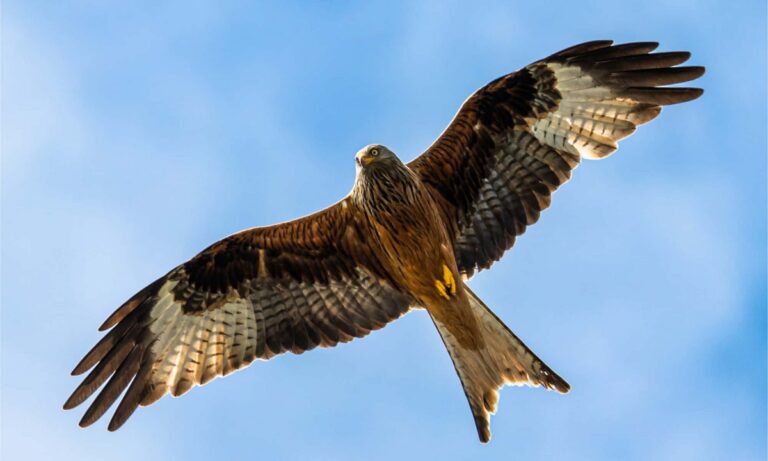
Hawks and eagles combine speed, strength, and maneuverability to dominate aerial hunting. He or she uses soaring and gliding to conserve energy while scanning large territories for prey. Sharp talons, hooked beaks, and exceptional eyesight complement their flight skills, enabling them to strike swiftly and accurately.
These raptors exploit thermal currents to gain altitude with minimal effort, allowing extended observation and strategic attacks. Flight patterns vary according to prey type and habitat; forest-dwelling hawks navigate tight spaces with agile flaps and turns, while eagles cover open areas with broad, steady glides. Observing these birds demonstrates how power, endurance, and precision integrate into exceptional aerial abilities, ensuring success in hunting and territorial defense.
Hummingbirds: Masters of Hovering
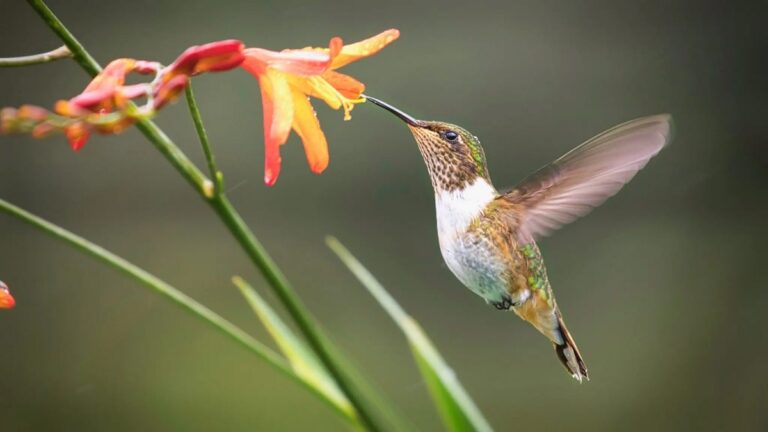
Hummingbirds are unique in their ability to hover, fly backward, and maneuver with remarkable agility. He or she achieves this through rapid wingbeats, often exceeding 50 beats per second, and specialized shoulder joints that allow rotation in multiple directions.
This exceptional flight skill enables hummingbirds to feed on nectar while remaining stationary and avoiding predators. Despite their small size, they exhibit endurance during migrations of hundreds of miles, using stopovers to refuel. Observing their hovering, darting, and precision landings illustrates an extreme adaptation to feeding and survival strategies. Their flight represents one of the most energy-intensive and specialized forms of aerial ability among birds.
Migratory Birds: Endurance Flyers
Migratory birds like swans, geese, and Arctic terns demonstrate exceptional endurance in flight, covering thousands of miles during seasonal migrations. He or she relies on long, narrow wings, aerodynamic bodies, and efficient metabolism to sustain continuous flight over oceans, mountains, and vast landscapes.
Navigation skills are equally impressive, with birds using celestial cues, magnetic fields, and landmarks to maintain course. Stopovers allow feeding and rest, but some species can cross entire oceans without landing. Studying migratory birds reveals how evolutionary adaptations integrate stamina, orientation, and flight efficiency. Their endurance flights highlight the interplay between physiology, behavior, and environmental awareness, exemplifying extraordinary avian flying capability.
Frequently Asked Questions
Can All Birds Fly Or Are Some Flightless?
Not all birds can fly. While most species have wings adapted for flight, some birds have lost this ability over time due to evolutionary adaptations. He or she may live in environments with few predators, such as islands or isolated habitats, making flight unnecessary. Flightless birds, like ostriches, penguins, and kiwis, have developed strong legs, swimming skills, or other adaptations to survive without flying. Understanding which birds cannot fly helps you appreciate how evolution shapes species based on their ecological needs and survival strategies.
Why Are Some Birds Unable To Fly?
Some birds cannot fly due to physical adaptations and evolutionary pressures. He or she may have a large body size, reduced wing structure, or specialized muscles that favor running, swimming, or climbing. Flightlessness often evolves in predator-free environments, allowing birds to conserve energy for foraging, reproduction, or survival. For instance, penguins have strong flippers for swimming, while ostriches rely on running speed. Studying these adaptations shows how species optimize survival even without flight, illustrating that flying is just one of many strategies birds use to thrive.
Which Birds Are Known For Limited Flying Ability?
Several birds have limited flying ability, capable of short bursts rather than sustained flight. He or she might see examples like chickens, turkeys, and quails, which can flap briefly to escape danger or reach low perches. Some aquatic birds, like loons and grebes, also have limited aerial endurance, relying primarily on swimming. These adaptations reflect a balance between energy conservation and survival, allowing birds to navigate their habitats effectively. Observing limited flyers demonstrates that flying ability varies widely and is shaped by ecological and evolutionary needs.
Do Flightless Birds Have Other Special Adaptations?
Yes, flightless birds often develop unique adaptations to compensate for the lack of flight. He or she may rely on strong legs for running, specialized feet for swimming, or claws for digging. Penguins swim efficiently using their wings as flippers, while ostriches run at high speeds to evade predators. Kiwis have keen senses and long bills for foraging on the forest floor. These adaptations allow birds to survive and thrive without flying, showing that evolution favors traits that optimize survival based on the bird’s environment and ecological role.
Are Flightless Birds More Vulnerable To Predators?
Flightless birds can be more vulnerable to predators due to their inability to escape by flying. He or she relies on camouflage, speed, size, or defensive behaviors to survive. For example, ostriches kick powerfully to deter threats, while penguins rely on colony protection and aquatic agility. On islands without natural predators, flightlessness is less risky, but introduced species like cats, rats, or dogs pose significant dangers. Understanding these vulnerabilities helps you recognize the importance of habitat protection and conservation efforts for flightless birds worldwide.
How Does Evolution Affect Bird Flight Abilities?
Evolution shapes bird flight abilities based on environmental pressures and survival needs. He or she may adapt for flight, limited flight, or complete flightlessness depending on habitat, food sources, and predation. Birds in open areas or migratory species develop strong wings for sustained flight, while isolated or predator-free habitats favor running, swimming, or other adaptations. Studying these evolutionary patterns helps you understand the diversity of bird species and how traits are optimized for survival, highlighting that flight is just one of many strategies in the avian world.
Final Words
Flight is one of the most fascinating abilities in the animal kingdom, yet not all birds share the same capacity to soar. Many species have evolved unique adaptations that either limit or completely prevent flight, allowing them to thrive in their specific environments. Observing these variations helps highlight the incredible diversity within the avian world, from agile migratory birds to grounded species that rely on running, swimming, or camouflage for survival.
Understanding which birds can fly and which cannot also provides insight into their behaviors, habitats, and evolutionary strategies. For enthusiasts and researchers alike, learning about these differences enriches birdwatching experiences and promotes awareness of conservation needs. Exploring the question of can all birds fly underscores that while flight is common, nature’s creativity ensures that some birds flourish perfectly well without it, showcasing adaptability and resilience in remarkable ways.