Is the Kiwi Bird Extinct? Population Status, Threats, and Conservation Efforts
The kiwi bird is one of the most iconic and unique species native to New Zealand, famous for its small size, flightless nature, and long beak. Over the years, this remarkable bird has faced numerous challenges due to habitat loss, introduced predators, and environmental changes. Understanding the current status of the kiwi is essential for conservationists, researchers, and wildlife enthusiasts alike. Exploring its population trends, threats, and protective measures provides insight into how fragile ecosystems can impact native species.
Many people are curious about the survival of this unusual bird and its role in New Zealand’s biodiversity. Discussions around its conservation often lead to questions about its long-term viability and global awareness of its plight. The topic draws attention to broader issues of species preservation, making the question of is the kiwi bird extinct particularly relevant for anyone interested in wildlife conservation and ecological balance.
Current Population
The current population of kiwi birds reflects both the success and the challenges of ongoing conservation efforts in New Zealand. Monitoring their numbers is essential to understand population trends, identify threats, and implement effective protection strategies. Kiwi populations are distributed across forests, grasslands, and predator-free reserves, with different species exhibiting varying population sizes. Understanding the current population offers insight into the bird’s survival prospects and highlights the importance of continued conservation measures to safeguard this unique flightless species.
Population Estimates and Trends
Estimating kiwi populations requires careful monitoring due to their nocturnal and elusive behavior. He or she may notice that population numbers vary among species, with some like the North Island brown kiwi being more numerous, while others, such as the Haast tokoeka, are critically endangered. Conservationists use techniques such as radio tracking, call surveys, and nest monitoring to gather accurate population data. These efforts reveal trends over time, showing areas where populations are increasing due to protective measures and areas where decline continues due to predation or habitat loss.
Population trends also highlight the effectiveness of conservation programs like predator control and habitat restoration. By tracking these numbers, researchers can evaluate the impact of conservation interventions, adapt strategies, and focus efforts where they are most needed. Understanding population distribution across regions allows for targeted actions, ensuring that each species receives the support required for long-term survival. Accurate data helps you appreciate the fragile balance between natural ecosystems and human influence on species survival.
Threats Affecting Population
Kiwi populations face several threats that influence their current numbers. He or she may notice that introduced predators, including stoats, dogs, and cats, are a major cause of mortality among eggs, chicks, and adult birds. Habitat destruction due to deforestation, agriculture, and urban development further reduces the areas where kiwi can safely live and breed. Additionally, environmental changes and human activity disrupt their natural behaviors, impacting reproduction and survival rates.
Understanding these threats is essential for effective population management. Conservation programs focus on predator control, habitat restoration, and community engagement to protect these birds. By mitigating threats, populations can stabilize and even increase over time. Observing how threats vary by region and species provides insight into the specific needs of different kiwi populations, emphasizing the importance of tailored conservation strategies. This knowledge also highlights the ongoing challenges faced by conservationists in maintaining and growing kiwi populations across New Zealand.
Conservation Efforts and Population Recovery
Conservation initiatives have played a critical role in stabilizing and recovering kiwi populations. He or she can observe that predator-free sanctuaries, intensive monitoring, and breeding programs have led to measurable improvements in certain regions. Techniques like egg incubation, chick rearing, and release into protected areas boost survival rates and help maintain genetic diversity. Community involvement through volunteer programs and public awareness campaigns also supports population growth by reducing human-related threats.
These efforts illustrate that while kiwi populations remain vulnerable, proactive measures can make a significant difference. Tracking population changes over time helps conservationists prioritize resources, improve habitat management, and expand protective measures. By combining science, community engagement, and habitat preservation, the current population of kiwi birds can be safeguarded, ensuring that future generations continue to witness the unique and iconic presence of these flightless birds in New Zealand.
Threats to Survival
Kiwi birds face a range of threats that challenge their survival and put several species at risk. These threats include introduced predators, habitat loss, environmental changes, and human interference. Understanding these risks is essential for effective conservation and population recovery efforts. By examining the various factors that endanger kiwi birds, you can gain insight into the challenges of protecting a flightless, nocturnal species in a rapidly changing environment. Awareness of these threats also highlights the importance of ongoing preservation measures.
Predation by Introduced Species
One of the most significant threats to kiwi survival comes from introduced predators. He or she may notice that stoats, ferrets, cats, and dogs are responsible for high rates of mortality among eggs, chicks, and adult birds. Unlike native predators, these introduced species hunt more efficiently and can decimate local populations quickly. Kiwi birds, which evolved without mammalian predators, lack natural defenses, making them especially vulnerable.
Predation impacts population recovery and contributes to declines in many regions. Conservation efforts include predator control programs, trapping, and creating predator-free sanctuaries. These measures are crucial for ensuring the survival of vulnerable species, particularly those with critically low population numbers. Understanding the role of predation highlights the importance of active management and community involvement to protect kiwi populations across New Zealand.
Habitat Loss and Fragmentation
Habitat destruction and fragmentation also pose serious risks to kiwi birds. He or she may notice that deforestation, agricultural expansion, and urban development reduce the availability of safe nesting and foraging areas. Fragmented habitats make kiwi more exposed to predators and environmental stresses, limiting their ability to find food, mate, and establish territories. This threat disrupts population distribution and can isolate subpopulations, reducing genetic diversity.
Conservation strategies focus on preserving existing forests, restoring degraded habitats, and connecting fragmented areas through ecological corridors. Protecting and expanding suitable habitats allows kiwi to thrive while minimizing human-related pressures. Understanding the impact of habitat loss emphasizes the interconnectedness of ecosystem health and species survival, showing how human activities directly affect these iconic birds.
Environmental Changes and Human Impact
Environmental changes, including climate variations, fires, and floods, also threaten kiwi survival. He or she may notice that extreme weather events can destroy nests, reduce food availability, and displace populations. Human activities, such as road construction, vehicle traffic, and domestic pets, further increase mortality risks. Noise, light pollution, and habitat disturbance alter natural behaviors, affecting feeding, breeding, and movement patterns.
Mitigating these threats requires habitat management, environmental monitoring, and community engagement. Efforts include creating safe nesting areas, reducing human disturbances, and educating the public about responsible pet ownership. By addressing both natural and human-induced challenges, conservationists can reduce mortality and enhance the resilience of kiwi populations. Awareness of these combined threats is critical for effective long-term protection and species recovery.
Disease and Genetic Vulnerability
Disease and low genetic diversity present additional risks to kiwi survival. He or she may notice that isolated populations are more susceptible to illness due to inbreeding and lack of genetic variability. Infectious diseases can spread quickly through small, concentrated populations, leading to declines or localized extinctions. Low genetic diversity also reduces adaptability to environmental changes, making populations more vulnerable to stressors.
Conservation programs address these risks through careful monitoring, translocation, and breeding initiatives that maintain genetic diversity. Vaccination, health checks, and biosecurity measures help prevent disease outbreaks. Understanding the role of genetics and disease highlights the importance of holistic conservation strategies that combine habitat protection, predator control, and population management to ensure the long-term survival of kiwi species.
Species Variations and Vulnerability
Kiwi birds are not a single species but a group of several species, each with unique characteristics and varying levels of vulnerability. Differences in size, habitat preference, behavior, and population distribution influence how each species responds to environmental pressures and conservation efforts. Understanding species variations and their associated vulnerabilities helps researchers and conservationists prioritize actions, allocate resources effectively, and implement strategies tailored to the specific needs of each kiwi species.
North Island Brown Kiwi
The North Island brown kiwi (Apteryx mantelli) is the most widespread kiwi species, inhabiting forests, farmlands, and scrub areas across the North Island of New Zealand. He or she may notice that despite their relatively larger population, these kiwi face threats from introduced predators, habitat fragmentation, and human activity. North Island brown kiwis are more adaptable than some other species, but ongoing conservation measures, including predator control, habitat restoration, and monitoring programs, remain essential to sustain population growth.
Their vulnerability is partly influenced by habitat overlap with humans and agricultural development. Chicks and eggs are particularly susceptible to predation, and adult mortality can have long-term population impacts. Understanding the specific ecological requirements and challenges faced by the North Island brown kiwi allows targeted conservation programs to protect breeding sites, establish predator-free areas, and engage local communities in preservation efforts. These measures are vital for maintaining stable populations across their natural range.
Haast Tokoeka
The Haast tokoeka (Apteryx australis “Haast”) is critically endangered and exhibits highly restricted distribution in the remote regions of the South Island. He or she may notice that this species’ small population size and limited habitat make it particularly vulnerable to predation, habitat loss, and stochastic environmental events. Each individual plays a crucial role in maintaining genetic diversity, and any loss can have disproportionate impacts on long-term survival.
Conservation efforts for the Haast tokoeka focus on intensive predator control, habitat protection, and population monitoring. Translocation and captive breeding programs are used to support recovery, and community awareness initiatives help reduce human-related threats. Understanding the unique vulnerabilities of this species emphasizes the importance of targeted interventions tailored to its ecological and behavioral characteristics, highlighting the broader challenges of protecting critically endangered kiwi.
Rowi and Okarito Kiwi
The rowi (Apteryx rowi) and Okarito kiwi (Apteryx rowi) are two other rare kiwi species found in the South Island, each with distinct population sizes, habitat preferences, and conservation challenges. He or she may notice that these species have highly restricted distributions, making them sensitive to predation, habitat disturbance, and environmental changes. Rowi populations have benefited from intensive conservation programs, including egg collection, chick rearing, and release into predator-free areas.
Understanding species variations allows conservationists to implement strategies that consider habitat needs, reproductive behavior, and population dynamics. Each kiwi species responds differently to threats, and success depends on tailoring programs to these specific requirements. Protecting genetic diversity, restoring habitats, and controlling predators are critical for ensuring the survival of these vulnerable species, demonstrating the need for focused and adaptive conservation management across all kiwi populations.
Vulnerability Factors Across Species
The vulnerability of kiwi species is influenced by population size, habitat specificity, and behavior. He or she may notice that species with smaller populations, limited ranges, or specialized ecological requirements are more prone to extinction risk. Introduced predators, environmental changes, and human activities exacerbate these vulnerabilities, particularly for species with restricted distributions or low reproductive rates.
Understanding these factors helps prioritize conservation resources and develop species-specific strategies. By assessing ecological traits, population dynamics, and threats for each kiwi species, conservationists can implement interventions that maximize survival chances. This approach ensures that both widespread and critically endangered species receive the attention and protection required to sustain populations, preserve genetic diversity, and safeguard the unique ecological roles of kiwi birds in New Zealand’s ecosystems.
Role in Ecosystem
Kiwi birds play a vital role in New Zealand’s ecosystem as both seed dispersers and soil aerators. Their foraging behavior impacts plant regeneration, soil health, and insect population control. By understanding the ecological role of kiwi, you can appreciate how these flightless birds contribute to the balance and diversity of their habitats. Protecting kiwi is not only crucial for the species itself but also for maintaining the integrity of the forests, scrublands, and grasslands they inhabit.
Foraging and Soil Aeration
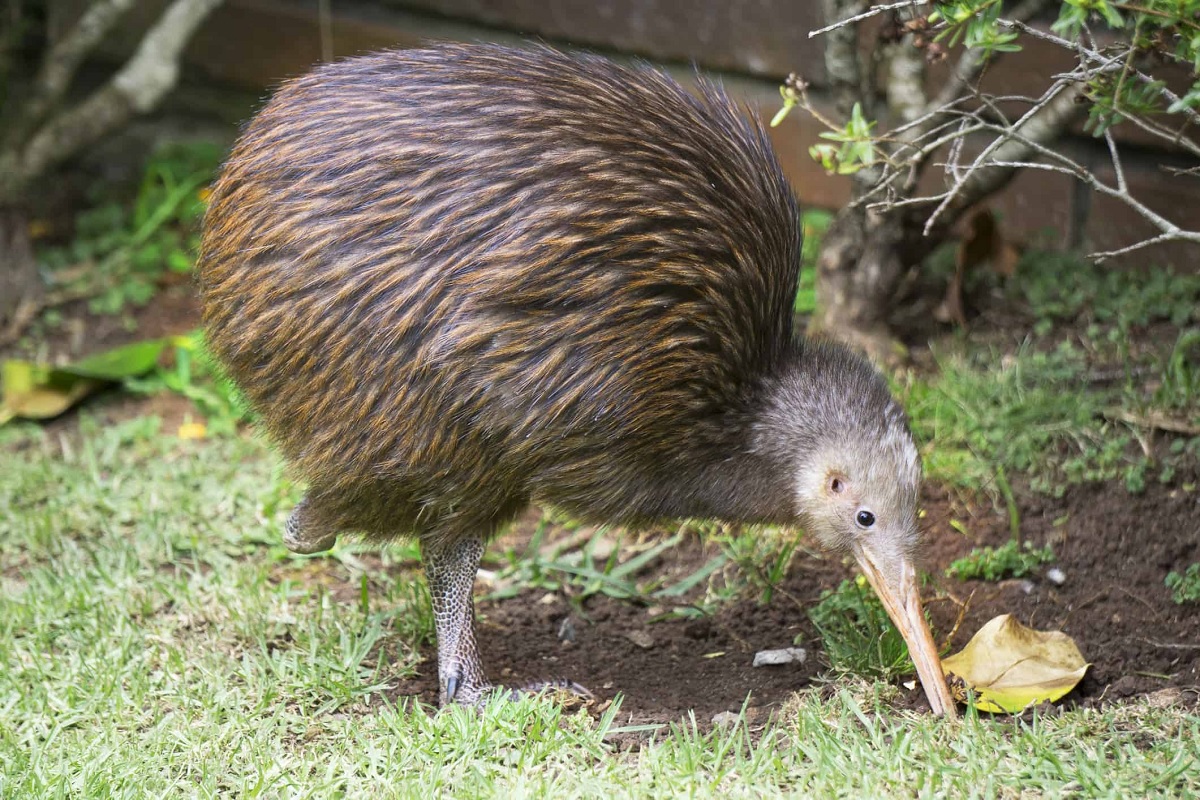
Kiwi birds use their long, sensitive bills to probe the soil in search of insects, worms, and other invertebrates. He or she may notice that this foraging behavior naturally aerates the soil, improving nutrient cycling and promoting plant growth. By disturbing the soil while feeding, kiwi help maintain healthy forest floors, enhancing water infiltration and seed germination. This ecological service supports a wide range of plant and animal species, contributing to overall biodiversity.
Their foraging also indirectly benefits other ground-dwelling organisms by controlling populations of insects and invertebrates. Maintaining a balanced food web ensures that ecosystems remain resilient against environmental changes. Understanding how kiwi interact with soil and prey highlights the interconnectedness of species and emphasizes the importance of conserving these birds to support ecosystem health.
Seed Dispersal and Plant Regeneration
Kiwi contribute to plant regeneration through their feeding habits and movement patterns. He or she may notice that seeds ingested or moved by kiwi can germinate in new locations, aiding plant dispersal and genetic diversity. This role is particularly important in forested ecosystems where natural dispersal mechanisms are limited due to habitat fragmentation. By spreading seeds, kiwi help maintain plant populations and ensure the regeneration of native vegetation.
This seed dispersal also has cascading effects on the ecosystem, supporting habitats for other wildlife and maintaining ecological balance. Protecting kiwi populations ensures the continuation of these critical ecosystem functions, highlighting their role beyond being an iconic species. Understanding their contribution to plant regeneration emphasizes the interconnected roles species play in sustaining healthy and resilient ecosystems.
Influence on Ecosystem Balance
Kiwi birds impact ecosystem balance through their predation on invertebrates and interaction with soil and vegetation. He or she may notice that by controlling insect populations, kiwi prevent overpopulation that could otherwise damage plant communities. Additionally, their movement patterns contribute to the distribution of nutrients and organic matter, supporting other organisms within their habitat.
These ecological functions illustrate the importance of kiwi beyond their symbolic value. They serve as an indicator of ecosystem health, with declining populations signaling potential environmental stress. Protecting kiwi ensures that these natural processes continue, maintaining biodiversity and the integrity of the ecosystems they inhabit. Understanding the role of kiwi in the ecosystem highlights the broader significance of conserving species and preserving natural balance.
People Also Asked
Is The Kiwi Bird Extinct?
The kiwi bird is not extinct, but several species are considered vulnerable or critically endangered. He or she can notice that conservation efforts in New Zealand have helped stabilize some populations, while others remain at risk due to predators and habitat loss. Although kiwi are rare and their numbers are limited compared to historical levels, they continue to exist in the wild. Understanding their status emphasizes the importance of ongoing protection programs, predator control, and habitat restoration to ensure that these iconic flightless birds survive for future generations.
What Are The Main Threats To Kiwi Survival?
Kiwi face threats from introduced predators such as stoats, ferrets, cats, and dogs. He or she may notice that these predators target eggs, chicks, and even adult birds, causing significant population declines. Habitat loss from deforestation, urbanization, and agricultural expansion also reduces the areas where kiwi can safely live and breed. Additionally, environmental changes, disease, and human activity contribute to their vulnerability. Awareness of these threats highlights the need for predator control, habitat protection, and conservation initiatives to prevent further decline and safeguard kiwi populations.
How Many Kiwi Are Left In The Wild?
Population estimates for kiwi vary by species. He or she may notice that the North Island brown kiwi has the largest population, with several tens of thousands of individuals, while critically endangered species like the Haast tokoeka have only a few hundred. Overall, the total kiwi population in New Zealand is limited, emphasizing the importance of monitoring and conservation programs. Knowing these numbers helps you understand their vulnerability, the effectiveness of protection measures, and the urgent need to maintain and grow populations in safe habitats to prevent extinction.
Are Kiwi Birds Protected By Conservation Programs?
Yes, kiwi birds are the focus of extensive conservation programs in New Zealand. He or she may notice initiatives like predator-free sanctuaries, habitat restoration, egg collection, and chick rearing programs aimed at increasing survival rates. These programs also involve community engagement, volunteer efforts, and monitoring to track population trends. Protection measures are tailored to specific species, especially those critically endangered, to ensure genetic diversity and long-term survival. Conservation efforts have successfully stabilized some populations, demonstrating that proactive management can prevent extinction and support recovery.
Can Kiwi Populations Recover Fully?
Kiwi populations have the potential to recover with continued conservation support. He or she can observe that predator control, habitat restoration, and breeding programs have already led to population increases in some areas. However, full recovery depends on sustained effort, habitat protection, and managing threats like predation and human interference. Monitoring population trends and adapting strategies for each species are crucial to ensuring long-term survival. Understanding the potential for recovery highlights the effectiveness of conservation programs and the importance of ongoing commitment to protect these iconic birds.
How Can Individuals Help Protect Kiwi Birds?
Individuals can play a key role in protecting kiwi by supporting conservation initiatives and practicing responsible behavior in kiwi habitats. He or she may notice that keeping dogs on leashes, avoiding disturbance of nesting areas, volunteering in local conservation programs, and reporting injured birds all contribute to survival efforts. Educating communities about the threats kiwi face and promoting awareness about habitat preservation also helps. Individual actions combined with national programs create a safer environment for kiwi, ensuring their populations remain stable and continue to thrive in New Zealand’s ecosystems.
Conclusion
The kiwi bird, an iconic symbol of New Zealand, is not extinct, but several of its species are classified as vulnerable or endangered due to habitat loss, predation, and environmental pressures. Conservation programs, including predator control, habitat restoration, and captive breeding, have been crucial in preventing further decline and helping certain populations recover. Each kiwi species faces unique challenges, making continued protection and awareness essential for their survival.
Understanding the threats they face highlights the importance of responsible human interaction and environmental stewardship. Exploring is the kiwi bird extinct provides clarity on the current status of these unique flightless birds and emphasizes the positive impact of conservation efforts. By supporting protection initiatives and promoting awareness, people can contribute to ensuring that kiwi populations continue to thrive, safeguarding not only their existence but also the ecological balance of New Zealand’s native forests.