Types Of Fowl Birds: Identification, Behavior, and Habitat
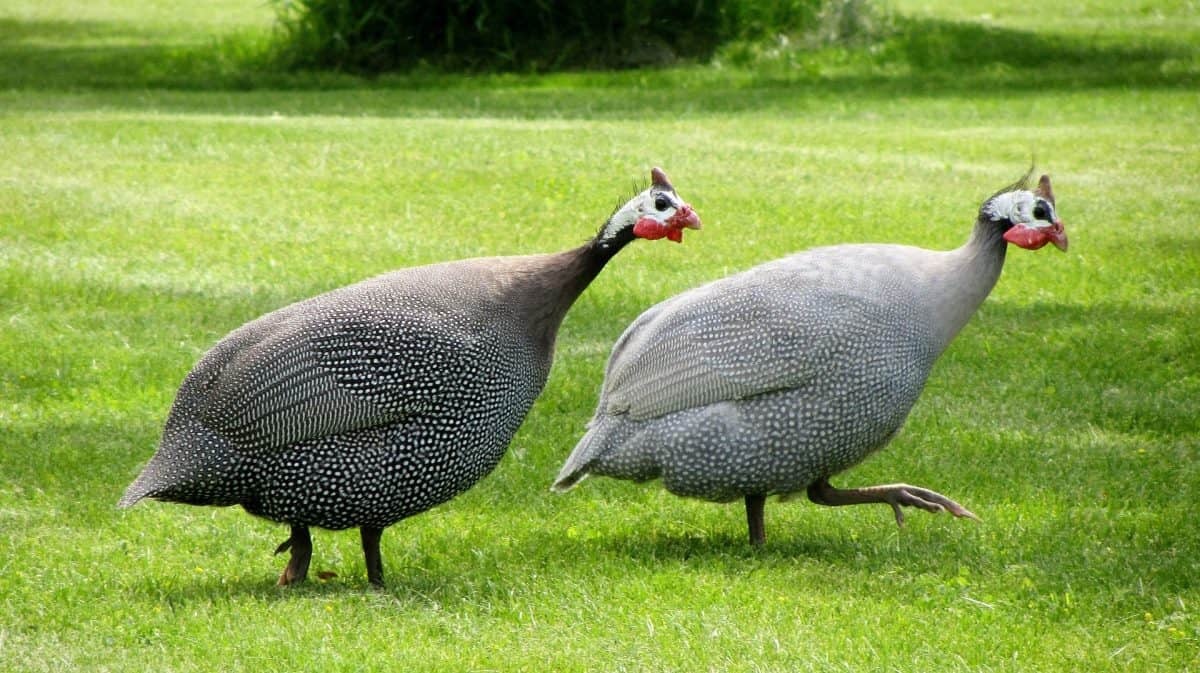
Fowl birds are a diverse group of avian species that are commonly known for their importance in agriculture, ecosystems, and cultural practices around the world. They include both domesticated birds like chickens, turkeys, and ducks, as well as wild species such as pheasants, quails, and grouse. Understanding the different types of fowl birds helps in appreciating their unique characteristics, behaviors, and habitats. These birds vary in size, plumage, feeding habits, and reproductive patterns, making them fascinating subjects for study and observation.
Many fowl birds also play critical roles in human society, providing meat, eggs, feathers, and other resources, while some species contribute to biodiversity and ecosystem balance. Exploring the various types of fowl birds allows enthusiasts, farmers, and researchers to identify, classify, and learn more about their biology and significance in both natural and agricultural environments.
Types of Fowl Birds
Fowl birds encompass a wide range of avian species that are often categorized by their use, habitat, and behavior. They include domesticated species, such as chickens, turkeys, and ducks, which have been bred for agriculture, as well as wild species like quails, pheasants, and grouse that inhabit forests, grasslands, and wetlands. Understanding the types of fowl birds is important for farmers, bird enthusiasts, and researchers alike, as it helps in identifying species, learning their habits, and appreciating their ecological and economic importance. Each type of fowl bird exhibits unique characteristics, including plumage, vocalizations, flight ability, and breeding behaviors.
Domesticated Chickens
Chickens are among the most common and widely recognized fowl birds, known for their importance in human agriculture. They belong to the species Gallus gallus domesticus and are valued primarily for their meat and eggs. Domesticated chickens come in a variety of breeds, each with unique feather colors, sizes, and egg-laying capacities. Some breeds are primarily used for egg production, such as Leghorns, while others like Broilers are bred for meat. Chickens are social birds that often form pecking orders to establish hierarchy within a flock.
Behaviorally, chickens exhibit interesting traits, including dust bathing to maintain feather health, vocal communication with a range of calls, and nesting behaviors that ensure the safety of eggs and chicks. Their diet usually consists of grains, insects, and vegetables, reflecting omnivorous habits. Beyond agricultural uses, chickens also play roles in cultural and religious practices around the world, highlighting their significance beyond food production. Understanding domesticated chickens as a type of fowl bird provides insight into both their biological traits and their value to humans.
Turkeys
Turkeys are large domesticated fowl birds known for their size, decorative plumage, and agricultural value. Originating from North America, domestic turkeys (Meleagris gallopavo domesticus) are primarily raised for meat production. They are characterized by distinctive features, including fan-shaped tail feathers, wattles, and often iridescent plumage. Turkeys are social animals that establish pecking orders within flocks, similar to chickens, and males often display courtship behaviors involving tail fanning and vocal gobbling.
Their diet is omnivorous, consisting of seeds, insects, and small plants, which contributes to their adaptability in farm environments. Domesticated turkeys are also notable for selective breeding, which has enhanced traits such as rapid growth, larger breast meat, and docile temperaments. In addition to their agricultural role, turkeys are culturally significant, especially in North America, where they are featured in traditional celebrations like Thanksgiving. Learning about domestic turkeys as a type of fowl bird allows you to appreciate their ecological adaptations, physical characteristics, and importance to human society.
Domestic Ducks
Ducks are versatile fowl birds raised for meat, eggs, and feather production. They belong to the family Anatidae and include species like the Pekin duck, Muscovy duck, and Khaki Campbell. Ducks are well adapted to aquatic environments, often found swimming, dabbling, or foraging along ponds, rivers, and marshes. Their webbed feet, waterproof feathers, and flattened bills make them highly efficient swimmers and foragers.
Domesticated ducks are social birds that prefer small flocks and exhibit behaviors such as preening, vocal communication, and egg-laying in designated nesting areas. Ducks are omnivorous, feeding on grains, plants, insects, and small aquatic animals. They are also known for their adaptability, being able to thrive in a variety of climates and farm settings. Ducks’ dual role as both ornamental and agricultural birds makes them an important type of fowl, valued for their productivity, ecological versatility, and appealing appearance.
Quails
Quails are small, ground-dwelling fowl birds known for their compact size, rapid movements, and prolific egg-laying. They belong to the family Phasianidae and are often raised domestically for eggs and meat. Quails have cryptically colored plumage that provides camouflage in grasslands and underbrush, helping them avoid predators. Their diet is omnivorous, consisting of seeds, insects, and small plants.
Behaviorally, quails exhibit strong social tendencies, forming coveys for protection and cooperation. They are highly adaptable to confined environments, which makes them suitable for small-scale farming or home breeding. Quails are also appreciated for their quick growth and high reproductive rates, producing multiple clutches of eggs per year. Studying quails as a type of fowl bird highlights their ecological role, efficient reproductive strategies, and significance as both a food source and ornamental species.
Pheasants
Pheasants are medium to large fowl birds known for their vibrant plumage, long tails, and ornamental appearance. They belong to the Phasianidae family and are native to parts of Asia but have been introduced worldwide for hunting and decorative purposes. Male pheasants often display bright, iridescent feathers to attract mates, while females have cryptic coloring for camouflage during nesting.
Pheasants are omnivorous, feeding on seeds, insects, and small animals. They are ground-dwelling birds but can fly short distances to escape predators. In addition to their ecological role, pheasants are significant in hunting cultures and wildlife conservation programs, making them an important category of fowl birds. Understanding pheasants provides insight into sexual dimorphism, survival strategies, and the diversity of fowl birds beyond domesticated species.
Grouse
Grouse are robust, medium-sized fowl birds inhabiting forests, tundras, and grasslands. They belong to the family Tetraonidae and are well-known for their cryptic plumage, which provides excellent camouflage in dense vegetation. Grouse feed primarily on plant material, including leaves, berries, and seeds, but may occasionally consume insects.
Grouse display interesting behaviors such as elaborate mating dances and drumming sounds to attract mates. They are highly adapted to their environment, capable of surviving harsh winters and blending seamlessly into their surroundings. Grouse are popular game birds in many regions, contributing to both ecological balance and hunting traditions. Studying grouse as a type of fowl bird allows you to understand adaptation, behavior, and the interaction between species and their habitats.
Rare And Exotic Fowl Birds
While common fowl birds like chickens, ducks, and turkeys are well-known worldwide, there exists a fascinating array of rare and exotic fowl birds that captivate bird enthusiasts and researchers alike. These birds are often distinguished by their unique plumage, unusual behaviors, or limited geographic distribution. Studying rare and exotic fowl birds allows you to appreciate the incredible diversity within this avian group. Their rarity also emphasizes the importance of conservation efforts, as many of these species face habitat loss and environmental threats.
The Golden Pheasant
The Golden Pheasant (Chrysolophus pictus) is one of the most striking and sought-after exotic fowl birds. Native to the forests of western China, this bird is renowned for its vibrant, multicolored plumage, featuring a golden-yellow crest, red body, and iridescent blue and green feathers. Males are particularly showy, using their bright colors to attract mates, while females display more subdued brown plumage for camouflage. The Golden Pheasant’s unique appearance makes it a favorite among exotic bird collectors and wildlife photographers.
In addition to its colorful feathers, the Golden Pheasant exhibits interesting behavioral traits. It is a ground-dwelling bird but can fly short distances to escape predators. Its diet is omnivorous, feeding on seeds, berries, insects, and small plants. In the wild, these birds prefer dense forests and bamboo thickets, providing cover from predators. Conservation concerns include habitat loss due to deforestation and human encroachment. Studying the Golden Pheasant allows you to appreciate the delicate balance between beauty, survival, and the need for habitat preservation.
Silver Pheasant
The Silver Pheasant (Lophura nycthemera) is another rare and exotic fowl bird, known for its striking black-and-white plumage. Native to Southeast Asia, including countries like Thailand, Myanmar, and China, this bird is often found in mountainous forests. Males feature long, flowing tail feathers with stark contrasts between black and white, while females exhibit more subdued brown tones for camouflage. Their elegant appearance and graceful movements make Silver Pheasants highly prized in aviculture and exotic bird collections.
Silver Pheasants are ground foragers, feeding primarily on seeds, fruits, and small insects. They are known for their shy and wary nature, often remaining hidden in dense undergrowth to avoid predators. Their social behavior includes forming small flocks outside of the breeding season, with males performing elaborate displays to attract females. These birds are considered vulnerable in the wild due to habitat destruction, hunting, and deforestation. Understanding Silver Pheasants provides insight into the ecological needs and conservation challenges of rare and exotic fowl birds.
Reeves’s Pheasant
Reeves’s Pheasant (Syrmaticus reevesii) is native to central China and is famous for its extraordinary long tail, which can reach up to two meters in males. This tail, along with their golden-brown body and black-and-white markings, makes them one of the most visually striking fowl birds in the world. Females, in contrast, are smaller and more muted in coloration to help with nesting and predator avoidance. The species is highly sought after in aviaries and among bird enthusiasts due to its spectacular appearance.
Reeves’s Pheasants are ground-dwelling birds that forage for seeds, insects, and plant material. Males perform elaborate courtship displays, fanning their long tails and calling loudly to attract mates. These displays not only serve reproductive purposes but also demonstrate dominance among males. Habitat loss and overcollection have caused population declines in the wild, making conservation efforts vital for the species’ survival. Studying Reeves’s Pheasant highlights the extraordinary adaptations and beauty that rare and exotic fowl birds possess, as well as the responsibilities involved in their preservation.
Lady Amherst’s Pheasant
Lady Amherst’s Pheasant (Chrysolophus amherstiae) is another exotic fowl bird native to southwestern China and northern Myanmar. It is renowned for its dazzling plumage, featuring striking combinations of white, black, red, and iridescent blue feathers. Males display spectacular tail feathers and vibrant collars used to attract females during courtship. Females are less colorful, providing effective camouflage while nesting. These birds are highly prized in ornamental collections and aviaries due to their elegance and rare appearance.
In the wild, Lady Amherst’s Pheasants are shy, elusive, and primarily ground-dwelling. They feed on seeds, insects, and vegetation and rely on dense forest undergrowth for protection from predators. Their breeding season involves elaborate displays, where males fan their plumage and perform intricate movements to court females. Habitat loss and overcollection have limited their wild populations, making conservation and responsible breeding programs essential. Studying this species illustrates the blend of beauty, rarity, and ecological importance that defines exotic fowl birds.
Himalayan Monal
The Himalayan Monal (Lophophorus impejanus), also known as the Impeyan Monal, is the national bird of Nepal and one of the most strikingly colorful fowl birds in the world. Native to the Himalayan region, males have iridescent plumage with vibrant blues, greens, purples, and reds, while females are more muted with brownish tones. This sexual dimorphism helps males attract mates and females stay concealed while nesting. Its high-altitude habitat makes it uniquely adapted to cold mountainous environments.
Himalayan Monals are omnivorous, feeding on roots, seeds, insects, and small invertebrates. They are ground foragers and exhibit strong territorial behavior during breeding seasons. Their bright feathers and elaborate mating displays make them highly admired by bird watchers and photographers. Threats to the species include habitat disturbance, hunting, and climate-related changes in the Himalayas. Studying the Himalayan Monal provides insight into the adaptations, beauty, and ecological significance of rare and exotic fowl birds.
Frequently Asked Questions
What Are Fowl Birds?
Fowl birds are a group of avian species commonly known for their importance to humans and ecosystems. They include both domesticated birds like chickens, turkeys, and ducks, as well as wild species such as pheasants, quails, and grouse. Fowl birds are often ground-dwelling, omnivorous, and display social behavior, such as forming flocks. Understanding what fowl birds are allows you to identify them in the wild or in agricultural settings, appreciate their ecological roles, and recognize their economic and cultural significance in providing food, feathers, and other resources.
What Are The Common Types Of Fowl Birds?
Common types of fowl birds include domesticated species such as chickens, ducks, and turkeys, which are primarily raised for eggs, meat, and feathers. Wild fowl birds include quails, pheasants, grouse, and partridges, which inhabit forests, grasslands, and wetlands. Each type has distinct physical traits, feeding habits, and social behaviors. By knowing the common types of fowl birds, you can distinguish between domesticated and wild species, understand their ecological niches, and learn how humans interact with them for food, recreation, or conservation purposes.
How Do Fowl Birds Differ From Other Birds?
Fowl birds differ from other birds mainly in their behavior, physical traits, and human association. Most fowl birds are ground-dwelling or have limited flight abilities compared to other birds. They often have stout bodies, strong legs for scratching and foraging, and omnivorous diets. Many species are raised domestically, making them integral to agriculture. Additionally, fowl birds often exhibit social behaviors like flocking and pecking orders. Understanding these differences helps you identify fowl birds in natural habitats and recognize the ways they interact with humans and ecosystems.
What Are Some Rare And Exotic Fowl Birds?
Rare and exotic fowl birds include species like the Golden Pheasant, Silver Pheasant, Himalayan Monal, and Reeves’s Pheasant. These birds are often prized for their vibrant plumage, unusual behaviors, and limited geographic distribution. Many are native to Asia and require specific habitats, such as forests or mountainous regions. Studying rare and exotic fowl birds allows you to appreciate biodiversity and understand the challenges these species face, including habitat loss and hunting. Observing or breeding them responsibly can help conserve their populations and highlight the beauty and diversity within the fowl bird group.
Why Are Fowl Birds Important To Humans?
Fowl birds are important to humans for various reasons, including food production, cultural significance, and ecological roles. Domesticated species like chickens, turkeys, and ducks provide eggs, meat, and feathers. Many fowl birds also appear in cultural traditions, ceremonies, and folklore around the world. Additionally, wild fowl birds help maintain ecosystem balance by controlling insect populations, dispersing seeds, and supporting predator-prey dynamics. By understanding the importance of fowl birds, you can better appreciate their economic, cultural, and ecological contributions, while promoting responsible care and conservation.
How Can You Identify Different Types Of Fowl Birds?
You can identify different types of fowl birds by observing their physical features, behaviors, and habitats. Domesticated fowl like chickens and ducks have distinct body shapes, feather patterns, and behaviors suited to farm life. Wild fowl birds, such as quails and pheasants, often exhibit cryptic coloration, short bursts of flight, and specific foraging habits. Paying attention to their diet, vocalizations, and social interactions can also help in identification. By learning these characteristics, you can distinguish between domesticated and wild fowl birds and understand their ecological roles and adaptations in various environments.
Final Thoughts
Fowl birds display an impressive diversity, ranging from domestic species like chickens and turkeys to wild and exotic varieties such as pheasants and junglefowl. Their roles span from food production and egg-laying to ornamental purposes and conservation efforts, reflecting the importance of these birds in both human culture and natural ecosystems. Understanding the characteristics, behaviors, and habitats of different species helps in appreciating their unique contributions and ecological significance.
Whether observing waterfowl in wetlands, raising domestic fowl for eggs and meat, or admiring the vibrant plumage of exotic birds, there is a fascinating variety to explore. The types of fowl birds demonstrate adaptability, beauty, and utility, making them a key focus for enthusiasts, farmers, and wildlife observers alike. Studying them not only enhances knowledge but also promotes awareness of their role in biodiversity and sustainable practices.