What Does It Mean When a Lot of Birds Are in Your Yard?
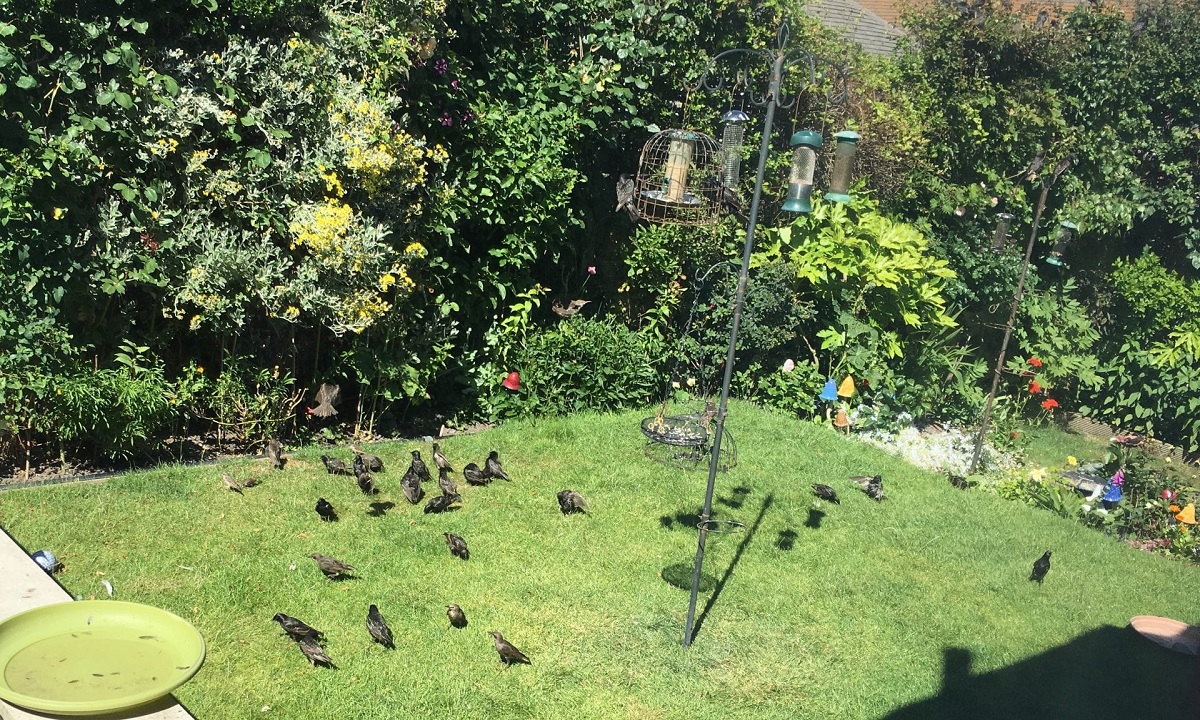
A sudden gathering of birds in your yard often draws attention and curiosity, leaving you wondering about the reason behind this unusual activity. Birds are highly sensitive to changes in their environment, and large groups appearing in one place can indicate shifts in food availability, seasonal migration patterns, or even environmental cues that humans may not immediately notice. Observing their behavior, species, and patterns can provide insights into the local ecosystem and the natural rhythms of wildlife.
Understanding what does it mean when a lot of birds are in your yard helps you interpret these signs, whether it’s a response to abundant food sources, preparation for migration, or social interaction among birds. Paying attention to such gatherings can deepen your connection to nature and enhance your awareness of environmental changes in your surroundings.
Seasonal and Migration Patterns
Bird movements are closely tied to seasonal changes and migration patterns, which influence why large groups may appear in your yard. Birds follow cycles dictated by food availability, weather, and breeding needs. Understanding these patterns helps you interpret the behavior of local and migratory species. Seasonal gatherings can indicate feeding opportunities, resting points during migration, or preparation for breeding. Observing these patterns provides insight into bird ecology and connects you to the natural rhythms of your environment.
Spring and Fall Migration
Spring and fall are peak migration periods when many birds travel long distances between breeding and wintering grounds. He or she may notice flocks stopping in your yard as a resting or feeding spot. In spring, birds are returning north to breed, seeking food and shelter along the way. Fall migration involves traveling south to warmer climates, often requiring energy replenishment before continuing the journey. Yard gatherings during these periods are common, reflecting natural migratory behavior.
During migration, birds rely on cues such as daylight, temperature changes, and food availability to navigate. Your yard may provide essential resources like seeds, fruits, or water, making it a convenient stopover. Observing species composition, flock size, and feeding habits can give clues about migration timing and routes. Recognizing these patterns allows you to appreciate the complexity of avian navigation, energy management, and ecological adaptation during seasonal movements.
Wintering Patterns
Some birds appear in yards during winter as they seek food sources that remain available despite harsh conditions. He or she may notice increased activity around feeders, fruiting plants, or sheltered areas. Wintering birds are often species that migrate shorter distances or adapt to cold climates by congregating in areas with abundant food. These gatherings reflect survival strategies, including energy conservation, social interaction, and territory selection.
Providing food, water, and shelter in winter can support these birds, but it’s also important to monitor behavior for signs of stress or competition. Observing wintering patterns can help you identify local species, track population changes, and understand how environmental factors shape avian behavior. Such insights highlight the interplay between seasonal challenges and survival strategies in bird communities.
Breeding Season Movements
During breeding season, birds may flock or gather in specific areas to establish territories, find mates, or access nesting resources. He or she can observe increased activity in yards with trees, shrubs, or water sources suitable for nesting. Breeding-related gatherings often include song displays, courtship behaviors, and increased vocalizations, signaling reproductive activity and territory defense.
Understanding these seasonal movements helps you recognize the purpose of large bird gatherings beyond food availability. Birds are responding to reproductive needs and ecological pressures, and your yard may serve as an ideal environment for temporary congregation. Observing breeding season patterns offers insight into reproductive strategies, social interactions, and the role of habitat features in supporting avian life cycles.
Impact of Environmental Factors
Environmental factors such as weather, habitat changes, and human activity influence seasonal and migratory behavior. He or she may notice unusual concentrations of birds during storms, droughts, or habitat disruption. Birds adjust their movement patterns in response to these conditions, seeking safety, food, or shelter. Seasonal and migration patterns are therefore dynamic and influenced by both natural and anthropogenic factors.
Monitoring these environmental impacts can enhance understanding of bird behavior and help support local wildlife. By providing appropriate food, water, and shelter, you can assist birds during critical periods, while also learning how changing conditions affect their movements. Observing these patterns underscores the connection between your yard and broader ecological processes, offering a unique perspective on avian life.
Abundant Food Sources
The presence of abundant food in your yard is a major factor attracting large numbers of birds. Birds are constantly seeking reliable nutrition to sustain energy, especially during migration or breeding seasons. Providing or naturally having plentiful seeds, fruits, insects, or nectar can turn your yard into a hub for feeding activity. Understanding the connection between food availability and bird behavior helps explain why flocks gather and how you can support local wildlife while observing natural feeding patterns.
Natural Food Sources
Natural food sources such as berries, seeds, nuts, and insects play a critical role in attracting birds. He or she may notice that fruiting trees and shrubs, blooming flowers, or insect-rich areas draw diverse species into your yard. Birds rely on these resources for essential nutrients, including proteins, fats, and carbohydrates, which fuel daily activities, reproduction, and seasonal migrations.
The availability of natural food sources often fluctuates with the seasons. For example, spring and summer bring insect abundance, while fall provides ripe fruits and seeds. Birds time their foraging behavior to coincide with peak availability, and your yard may serve as an important stopover. Observing which species feed on specific resources can offer insights into their dietary needs, foraging strategies, and ecological roles, enhancing your understanding of local biodiversity.
Bird Feeders and Supplementary Food
Providing bird feeders can create a reliable and abundant food source, attracting more birds than natural resources alone. He or she may notice increased activity around feeders offering seeds, suet, or nectar. Different bird species are drawn to specific food types; finches prefer small seeds, woodpeckers favor suet, and hummingbirds are attracted to nectar. Feeders can also support birds during harsh weather or periods of natural food scarcity.
Maintaining cleanliness and variety in feeders ensures the health of visiting birds and encourages repeated visits. Observing birds at feeders provides opportunities to study feeding behavior, social interactions, and species diversity. By offering consistent and appropriate food, you contribute to the well-being of birds while creating an engaging environment for observation and learning.
Seasonal Impacts on Food Availability
Seasonal changes greatly influence the abundance of food in your yard. He or she may notice that during spring, insects and new plant growth attract birds, while fall brings fruiting shrubs and seed-bearing plants. Birds adjust their foraging patterns according to these seasonal shifts, sometimes congregating in large numbers where food is plentiful. These seasonal concentrations often align with migration, breeding, or winter survival strategies.
Recognizing these seasonal effects allows you to understand fluctuations in bird populations and activity levels in your yard. By observing which foods are consumed during different times of the year, you gain insight into dietary preferences and ecological dependencies. Supporting birds with natural or supplementary food during critical periods can enhance their survival and contribute to local ecosystem health.
Ecological and Behavioral Insights
Abundant food sources influence both ecological interactions and bird behavior. He or she may observe competition, flocking behavior, or territorial displays centered around feeding areas. Birds also adjust their feeding times and social dynamics according to resource availability, demonstrating complex behavioral adaptations. High-quality food sources can attract multiple species, creating opportunities to study interspecies interactions and hierarchy.
Providing or maintaining diverse and abundant food sources helps you understand these ecological and behavioral dynamics while supporting bird populations. Observing patterns in your yard can reveal migration stopovers, feeding preferences, and survival strategies. Food abundance is therefore a key factor shaping the presence, diversity, and behavior of birds in your environment, offering insights into broader ecological relationships.
Shelter and Nesting Opportunities
Shelter and nesting opportunities play a crucial role in attracting birds to your yard. Birds seek safe spaces to rest, hide from predators, and raise their young. Natural features like trees, shrubs, and dense vegetation, as well as human-made structures such as birdhouses or nesting platforms, provide these essential habitats. Understanding how shelter and nesting options influence bird behavior helps you create an inviting environment while observing natural habits and seasonal activity patterns.
Natural Shelter in Yards
Natural shelter, such as trees, shrubs, and tall grasses, offers protection from predators and harsh weather conditions. He or she may notice birds utilizing thick foliage for roosting or nesting. Trees with dense canopies provide elevated safety, while shrubs and bushes offer ground-level cover. These natural shelters are particularly important during breeding seasons, when birds seek secure nesting sites to lay eggs and rear chicks.
Different species have varying preferences for natural shelter. Songbirds often choose shrubs or low branches, while raptors prefer tall trees or cliff-like structures. Dense vegetation also supports insect populations, providing additional feeding opportunities for birds. Observing how birds use natural shelter can give insights into their habitat preferences, predator avoidance strategies, and nesting behaviors, helping you understand how your yard contributes to their survival.
Human-Made Nesting Options
Human-made structures like birdhouses, nesting platforms, and feeders with shelter features can significantly enhance nesting opportunities. He or she may notice increased activity when these structures provide safe and accessible options for roosting and breeding. Birdhouses mimic natural cavities, while platforms and boxes cater to cavity-nesting or ground-nesting species. Placement, size, and design are important to attract the intended species and ensure safety from predators.
These artificial shelters can supplement natural options, particularly in urban or suburban areas where trees and dense vegetation may be limited. Providing clean, well-maintained nesting sites encourages breeding activity and supports local populations. Observing bird interactions with these structures allows you to learn about nesting preferences, social dynamics, and seasonal behaviors, while also contributing to the conservation of species dependent on cavity or sheltered nesting opportunities.
Seasonal Nesting Patterns
Nesting activity varies seasonally, influenced by breeding cycles and environmental conditions. He or she may notice that birds arrive in your yard during spring to establish territories, select nesting sites, and begin raising chicks. Some species may return to the same shelter year after year, highlighting site fidelity and the importance of reliable nesting options. Seasonal availability of shelter and nesting materials directly impacts reproductive success.
Observing seasonal nesting patterns helps you understand bird behavior and species-specific needs. The presence of multiple nesting sites can reduce competition and encourage diversity, attracting a variety of birds to your yard. Providing shelter and nesting opportunities in alignment with seasonal cycles supports breeding activity and creates a dynamic environment for observation and ecological engagement.
Shelter and Predator Protection
Shelter also plays a critical role in predator avoidance. He or she may observe that birds use thick vegetation, tree cavities, or elevated nesting boxes to stay safe from cats, hawks, and other threats. Proximity to food sources combined with protective cover allows birds to feed and rest efficiently while minimizing risk. Sheltered areas reduce stress and improve survival rates, particularly for chicks and fledglings.
Understanding how birds use shelter for protection provides insight into behavioral adaptations and survival strategies. By offering a variety of natural and artificial cover in your yard, you can support both adult birds and their offspring, creating a safe, thriving habitat. Observing these behaviors highlights the essential role of shelter in shaping daily routines, foraging patterns, and reproductive success, making it a key factor in bird presence and diversity.
People Also Asked
What Does It Mean When A Lot Of Birds Are In Your Yard?
Large gatherings of birds in your yard often indicate abundant food, shelter, or water sources. He or she can observe that birds are drawn to areas providing easy access to these essentials. Flocks may also gather during migration or seasonal transitions. Such behavior reflects natural instincts for feeding, resting, and social interaction. Observing these flocks provides insight into local bird populations, ecological health, and seasonal patterns, helping you understand how your yard fits into the broader ecosystem and supports avian activity.
Why Do Birds Congregate In Certain Areas?
Birds congregate in areas offering safety, resources, and suitable habitat. He or she may notice trees, shrubs, feeders, or water sources attracting larger groups. Congregation can also be linked to social behaviors like flocking for protection against predators or efficient foraging. Seasonal movements and breeding cycles further influence gathering patterns. By observing where and why birds gather, you gain insight into habitat preferences, resource availability, and ecological dynamics in your yard, allowing you to support healthy bird populations effectively.
Can Seasonal Changes Affect Bird Activity In Your Yard?
Seasonal changes significantly impact bird presence and behavior. He or she may see more birds during migration in spring and fall as they stop to rest or feed. Winter may attract birds seeking food in your yard, while summer brings nesting activity. These seasonal patterns reflect natural cycles tied to reproduction, climate, and food availability. Observing fluctuations in bird numbers across seasons helps you understand migratory routes, breeding behaviors, and ecological rhythms, providing valuable insights into local and regional bird populations.
Does Abundant Food Attract More Birds?
Yes, abundant food is a major factor attracting birds to your yard. He or she may notice that feeders, fruiting plants, or insect-rich areas draw larger flocks. Food availability supports energy needs for foraging, migration, and reproduction. Different species prefer different food types, influencing which birds visit your yard. By providing diverse and reliable food sources, you can attract and support a wider variety of birds while observing natural feeding behaviors and ecological interactions in your own outdoor space.
How Does Shelter Influence Bird Gatherings?
Shelter is essential for birds seeking protection from predators, harsh weather, and nesting opportunities. He or she may observe that yards with dense trees, shrubs, or birdhouses host more birds. These safe spaces encourage resting, roosting, and breeding activity. The combination of shelter with food and water creates an inviting environment. Understanding how birds use shelter in your yard helps you enhance habitat quality, support local populations, and interpret flocking behavior as an indicator of environmental suitability.
Can Bird Activity Indicate Environmental Changes?
Bird activity in your yard can serve as an ecological indicator. He or she may notice sudden increases or decreases in bird numbers signaling shifts in food availability, weather, or habitat conditions. Changes in species composition or behavior may reflect environmental stressors such as habitat loss, pollution, or climate variations. Monitoring these patterns helps you assess ecosystem health and understand how local and migratory birds respond to environmental changes, offering insights into the broader ecological context of your yard and surrounding areas.
Final Thoughts
Observing a large number of birds in your yard can reveal a lot about the local environment and the resources available. Birds are naturally attracted to areas with abundant food, safe shelter, and favorable nesting opportunities. Seasonal migrations and flocking behavior also influence why many birds may gather in one place. Such gatherings can indicate a healthy ecosystem, with sufficient biodiversity and minimal threats from predators.
For homeowners and bird enthusiasts, paying attention to these patterns can enhance understanding of local wildlife and guide efforts to create more bird-friendly spaces. Exploring what does it mean when a lot of birds are in your yard provides insight into both ecological and behavioral factors, helping you interpret these visits accurately. Recognizing these signs allows you to appreciate the dynamic interactions of nature right in your backyard and promotes responsible stewardship of your outdoor space.