Why Do Birds Lay Down and Spread Their Wings?
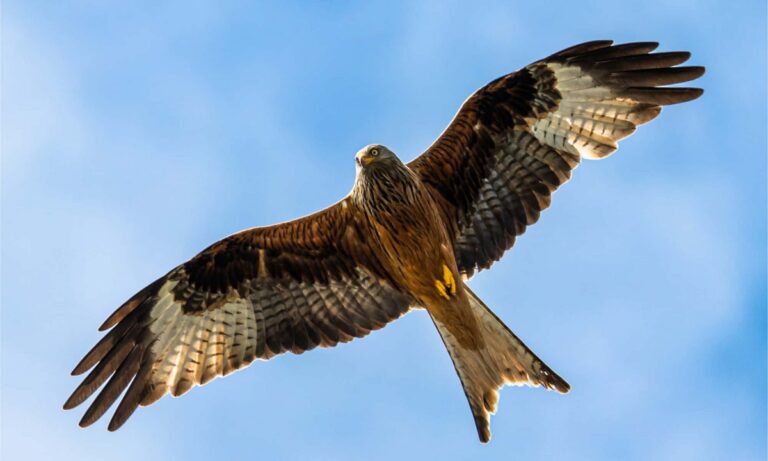
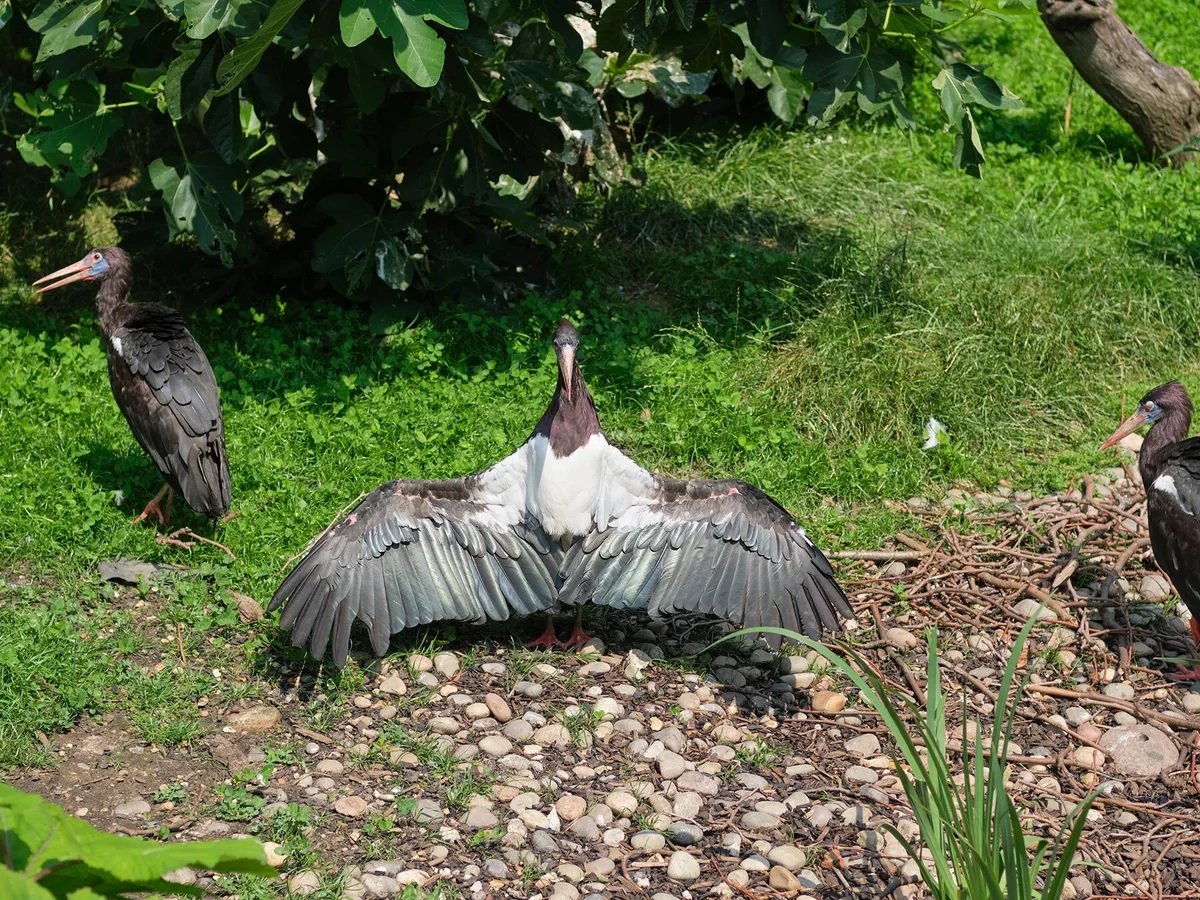
Birds display a fascinating range of behaviors that often leave observers curious about their purpose. One such behavior involves birds lying down and spreading their wings, which can appear both unusual and intriguing. This posture is more than just a moment of rest—it serves important functions related to thermoregulation, feather maintenance, and even social communication.
Many bird species use this action to absorb sunlight, helping to regulate body temperature and maintain feather health. Others perform it as a way to relax muscles, stretch, or rid themselves of parasites. Understanding why do birds lay down and spread their wings sheds light on their daily habits and survival strategies in the wild. Observing these behaviors provides insight into the complex ways birds interact with their environment, highlighting the delicate balance between comfort, health, and instinctual actions in their natural lives.
Thermoregulation and Sunbathing
Birds rely on thermoregulation to maintain a stable body temperature, ensuring survival across varying climates. Sunbathing plays a key role in this process, allowing birds to absorb heat directly from sunlight. By lying down and spreading their wings, birds can increase the surface area exposed to the sun, effectively warming their bodies. This behavior is especially common in cooler mornings or after a bath, helping them dry feathers and restore optimal body temperature efficiently. Sunlight also assists in maintaining feather health and overall energy levels.
How Sunbathing Helps Birds Regulate Temperature
Birds are warm-blooded creatures, which means they need to maintain a consistent internal temperature despite external changes. Sunbathing provides a natural way to achieve this balance. When birds spread their wings and lie down in sunlight, the rays penetrate the feathers, warming both the muscles and skin. This process is critical during colder seasons or early mornings when ambient temperatures are low. By raising their body heat through sun exposure, birds conserve energy that would otherwise be spent shivering or seeking shelter. This behavior is observed in species ranging from small songbirds to larger birds like hawks and pigeons, emphasizing its importance across different habitats.
Sunbathing also aids in feather maintenance, which indirectly supports thermoregulation. Warmth helps relax feather shafts and preen oils, improving insulation and ensuring that feathers remain lightweight yet protective. Birds often combine sunbathing with preening routines, maximizing efficiency. In addition, the heat can help reduce moisture in feathers after rain or dew, preventing loss of body heat. By incorporating sunbathing into their daily habits, birds maintain both comfort and survival readiness.
Behavioral Patterns During Sunbathing
Birds display consistent patterns when engaging in sunbathing behavior. Typically, they choose open areas with direct sunlight and minimal obstruction. Some species tilt their bodies and spread wings at precise angles to maximize sun exposure, while others may lie on their backs or sides to allow heat to reach under-feather layers. Sunbathing often occurs during mid-morning when sunlight is gentle but effective, ensuring the birds warm gradually without overheating. This behavior is not only practical but also instinctual, passed down through generations as a natural survival mechanism.
Sunbathing can also serve a social or signaling function in some species. Birds may perform this behavior in groups, creating communal warmth or signaling safety to others in the flock. In addition, sun exposure can help combat parasites and bacteria that thrive in cooler, damp conditions. By combining sunbathing with other natural behaviors like stretching, fluffing feathers, and preening, birds maintain both hygiene and thermoregulation simultaneously, demonstrating the multifunctional nature of this activity.
Feather Maintenance and Preening
Feathers are essential for a bird’s survival, providing insulation, flight capability, and protection from environmental elements. Maintaining feather health is crucial, and birds achieve this through regular preening and grooming behaviors. Preening allows birds to realign feathers, remove dirt, and distribute protective oils across their plumage. This process keeps feathers flexible, water-resistant, and in optimal condition for flying. Feather maintenance is also linked to overall health, as well-maintained feathers help regulate temperature, repel parasites, and enhance a bird’s appearance for mating and social signaling.
The Role of Preening in Feather Health
Preening is a daily activity that ensures birds maintain their plumage in peak condition. Birds use their beaks to clean and straighten each feather, removing debris and reattaching misaligned barbs. This meticulous grooming prevents feather wear and tear, which could otherwise compromise flight efficiency and insulation. Preening also involves the application of preen oil, secreted from the uropygial gland located near the base of the tail. This oil adds a waterproof coating, keeping feathers resilient against rain, humidity, and environmental damage. Birds of all sizes, from tiny finches to large waterfowl, rely on preening to preserve their feather structure, highlighting its universal importance across species.
Regular preening also contributes to parasite control. Birds remove mites, lice, and other pests that can damage feathers and skin. By keeping their plumage clean, birds maintain comfort and prevent infections that could affect their health and mobility. Preening is often combined with stretching and sunning, creating an effective routine that maximizes feather care and overall well-being. This behavior is instinctive yet highly precise, with birds dedicating significant portions of their day to maintaining their plumage.
Techniques Birds Use for Effective Preening
Birds employ a variety of techniques to ensure thorough feather maintenance. Using their beaks, they work systematically from the head to the tail, carefully attending to each feather row. Some species use their feet to hold and manipulate feathers or access hard-to-reach areas. In addition, birds may perform “anting,” rubbing ants over feathers to apply natural chemicals that deter parasites. Sunbathing often complements preening, as warmth loosens debris and softens feathers for easier alignment.
Preening is also a social behavior in many bird species. Birds engage in allopreening, where two individuals preen each other’s feathers. This strengthens social bonds, reduces tension within flocks, and ensures that areas difficult to reach alone are properly maintained. Through these techniques, birds keep their feathers functional, healthy, and visually appealing, which is essential for survival, mating, and daily activities.
Health and Illness Indicators
Birds often hide signs of illness, making it essential for observers to recognize subtle indicators of their health. Monitoring physical appearance, behavior, and daily habits provides key insights into a bird’s well-being. Changes in feather condition, appetite, energy levels, or vocalization can signal stress, injury, or disease. Understanding these health and illness indicators allows caretakers and bird enthusiasts to respond promptly, ensuring timely care and intervention. Early detection plays a vital role in preventing minor issues from becoming life-threatening conditions.
Physical Signs of Health and Illness
Feathers, eyes, and posture provide some of the clearest physical clues about a bird’s condition. Healthy birds have smooth, well-aligned feathers and bright, clear eyes. In contrast, ruffled, broken, or discolored feathers may indicate poor nutrition, parasites, or illness. A drooping posture, swollen body parts, or abnormal growths can signal infections or internal problems. Monitoring these signs daily helps in identifying changes early. Weight fluctuations are another critical indicator; sudden loss or gain can reflect underlying metabolic or organ issues. Regular observation of these physical characteristics is essential for maintaining bird health.
Physical signs also extend to droppings and beak condition. Normal droppings have a consistent color and texture, while irregularities may suggest digestive problems, dehydration, or bacterial infections. Cracked or overgrown beaks can indicate nutritional deficiencies or injury. Birds may also show behavioral changes as a physical response to illness, such as reduced movement or avoiding social interactions. Recognizing these subtle cues is essential for timely intervention and maintaining overall well-being.
Behavioral and Activity-Based Indicators
Changes in behavior often precede visible physical symptoms. A healthy bird is active, alert, and responsive to its environment. Sudden lethargy, excessive sleeping, or reluctance to fly or move may indicate illness or stress. Vocalization patterns also provide clues; reduced singing or unusual calls can suggest discomfort or disease. Feeding habits are equally important, as decreased appetite or refusal to drink water often signals underlying health issues.
Behavioral indicators also include grooming patterns and social interactions. Birds that stop preening may be struggling with illness, as grooming requires energy and focus. Similarly, birds isolating themselves from flocks or avoiding interaction with humans may be experiencing discomfort or distress. Monitoring these subtle behavioral changes alongside physical signs allows caretakers to detect health problems early, increasing the likelihood of successful treatment and recovery. Awareness of both physical and behavioral indicators ensures that birds receive proper care and maintain optimal health.
Environmental Influences
A bird’s health and behavior are deeply affected by its surrounding environment. Factors such as temperature, humidity, habitat quality, and human activity can significantly impact feeding, nesting, and daily routines. Changes in the environment may alter migration patterns, breeding success, and overall survival rates. Understanding environmental influences is crucial for conservation efforts and responsible bird care. By observing how birds respond to their surroundings, enthusiasts and researchers can identify stressors and implement strategies to create safer, healthier habitats.
Impact of Habitat and Climate
The habitat a bird occupies plays a vital role in its health and daily behavior. Forests, wetlands, deserts, and urban areas all present unique challenges and resources that influence survival. Adequate shelter, access to water, and food availability are critical for maintaining energy levels and reproductive success. Temperature and seasonal changes directly affect behavior; birds may migrate, seek shade, or adjust activity patterns to regulate body temperature. Environmental stressors such as deforestation, pollution, or climate shifts can reduce food sources and nesting sites, forcing birds to expend more energy searching for resources.
Climate changes can also influence molting and breeding cycles. Birds often rely on environmental cues, such as temperature and daylight, to time these crucial activities. Unpredictable weather or prolonged droughts can disrupt these natural rhythms, affecting reproduction and survival rates. Human-made changes, like urban development, noise pollution, and artificial lighting, may further interfere with natural behaviors. Observing how birds adapt to these environmental pressures provides insight into their resilience and highlights the importance of preserving suitable habitats.
Effects of Environmental Stress on Behavior
Environmental stress manifests in multiple behavioral changes among birds. Limited food supply, high predator presence, or extreme weather conditions can cause birds to alter foraging, nesting, or social interactions. Birds may spend more time hiding, foraging over wider areas, or changing migration routes. Stress can also impact vocalization, with birds calling less frequently or producing unusual sounds. Long-term exposure to environmental challenges can weaken immunity, increase susceptibility to disease, and reduce lifespan.
Urban environments create additional stressors, including traffic, human activity, and reduced natural spaces. Birds may adapt by nesting in unconventional locations, changing diet preferences, or becoming more nocturnal to avoid disturbances. Observing these behavioral shifts provides valuable information for conservationists and bird watchers, helping them identify environmental pressures and develop strategies to support bird populations. Understanding the complex relationship between birds and their environment is key to ensuring their health, safety, and long-term survival.
Frequently Asked Questions
Why Do Birds Lay Down And Spread Their Wings In Sunlight?
When birds lay down and spread their wings in sunlight, they are usually sunbathing to regulate body temperature. You may notice that he or she tilts the body and exposes maximum surface area to absorb heat. This behavior warms muscles and feathers, which is especially important after a cold night or rain. Sun exposure also helps reduce feather parasites and maintain feather flexibility. By combining warmth with feather maintenance, birds can conserve energy while improving health and comfort. This natural instinct is vital for survival in varying environmental conditions.
Is Spreading Wings A Form Of Stretching For Birds?
Yes, spreading wings is often part of a stretching routine for birds. He or she may lie down and extend wings to relax muscles after long flights or periods of inactivity. This action prevents stiffness and maintains flexibility in wing joints, which is essential for efficient flying. Stretching also improves blood circulation and helps align feathers properly. When you observe birds performing this behavior, it indicates that they are maintaining their physical condition, ensuring both strength and mobility for daily activities and long-distance flights.
Do Birds Spread Their Wings To Dry After Bathing?
Birds frequently lay down and spread their wings after bathing to dry feathers quickly. He or she exposes feathers to sunlight or airflow, allowing water to evaporate while keeping feathers in optimal condition. Drying in this position prevents the growth of mold or bacteria on wet feathers. This behavior also maintains insulation, keeping the bird warm even after being in water. By combining drying with stretching or sunbathing, birds ensure that their plumage remains functional, healthy, and ready for flying or social interactions within their environment.
Can Birds Lay Down And Spread Their Wings To Control Body Temperature?
Absolutely, thermoregulation is a major reason birds lay down and spread their wings. By exposing their bodies to direct sunlight, he or she absorbs heat to warm up on cooler days. Conversely, on hot days, birds may adjust wing position to allow airflow and prevent overheating. This instinctive behavior helps maintain a stable internal temperature, reducing stress on the body. Observing birds use sunbathing or wing-spreading for temperature control shows how crucial environmental interaction is for their survival and daily energy balance.
Does Spreading Wings Help Birds Remove Parasites?
Yes, birds often spread their wings as part of parasite control. When he or she lies down and exposes feathers to sunlight or wind, the heat can make mites and other pests move, making it easier to remove them during preening. This behavior is sometimes combined with dust bathing or rubbing against surfaces to further dislodge parasites. Maintaining clean feathers is vital for comfort, flight efficiency, and overall health. Watching this behavior indicates that birds are actively caring for their plumage and preventing potential health issues caused by parasites.
Do All Bird Species Spread Their Wings In The Same Way?
Not all birds spread their wings in the same way, but many species exhibit similar behaviors for thermoregulation, stretching, or feather care. He or she may tilt the body, lie on the back, or raise wings at specific angles depending on species size, feather structure, and environmental conditions. Some birds perform this behavior in groups, while others do it individually. Observing these variations helps you understand each species’ unique adaptations, showing how birds have evolved different methods to achieve warmth, comfort, and feather maintenance in their specific habitats.
Final Thoughts
Observing birds as they lay down and spread their wings reveals much about their daily habits, health, and interactions with the environment. This behavior is not merely random; it serves multiple purposes, from thermoregulation and feather maintenance to relaxation and social signaling. Birds often sunbathe to absorb heat and reduce parasites, while wing-spreading can indicate comfort, stretching, or even communication within their group.
Understanding these patterns helps bird enthusiasts and researchers recognize what is normal versus what may signal stress or illness. By paying attention to these behaviors, we gain insight into how birds adapt to their surroundings and maintain their well-being. For anyone curious about avian habits, exploring why do birds lay down and spread their wings provides a deeper appreciation for the complexity and intelligence of these creatures, highlighting the intricate ways they interact with nature.